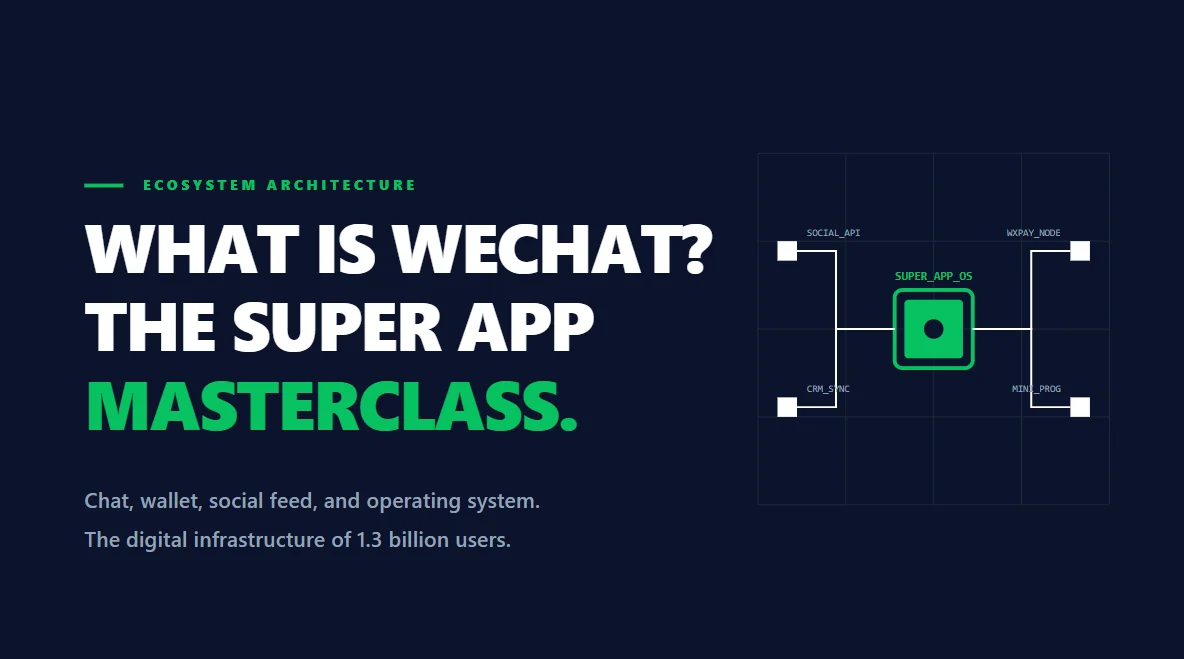
WeChat (Weixin) is not just a messaging app; it is a 'Super App' that functions as a chat interface, mobile wallet, social feed, and operating system all in one.
The true power of WeChat lies in 'Mini Programs'—over 4 million lightweight sub-apps that allow users to shop, order food, and play games without ever leaving WeChat.
WeChat Pay dominates offline and online commerce in China. It has turned a society of 1.4 billion people into a virtually cashless economy using simple QR codes.
For global brands, WeChat Official Accounts serve as a combined website, CRM, newsletter, and e-commerce storefront to reach Chinese consumers.
WeChat Moments is the platform’s social feed, similar to a private Instagram, designed for intimate relationship maintenance rather than viral public broadcasting.
Picture a normal day in a major Chinese city like Shanghai or Shenzhen. You wake up and check your messages. You order your morning coffee. You pay your electricity bill. You scan a QR code to enter the metro system. You read an article published by your favorite fashion brand, buy a shirt from their store, and then split a dinner bill with your friends. You did all of this without ever leaving a single app. That app is WeChat.
Trying to describe WeChat to a Westerner as "China's WhatsApp" is a massive understatement. It is like calling a smartphone a calculator. Developed by tech giant Tencent and launched in 2011, WeChat (known as Weixin inside China) has evolved into a "Super App"—a master ecosystem that fuses messaging, Apple Pay, Instagram, a dedicated App Store, and a corporate CRM into one unified digital layer. With over 1.3 billion monthly active users, it is not just an application; it is the digital operating system of Chinese daily life.
Why WeChat Feels Fundamentally Different
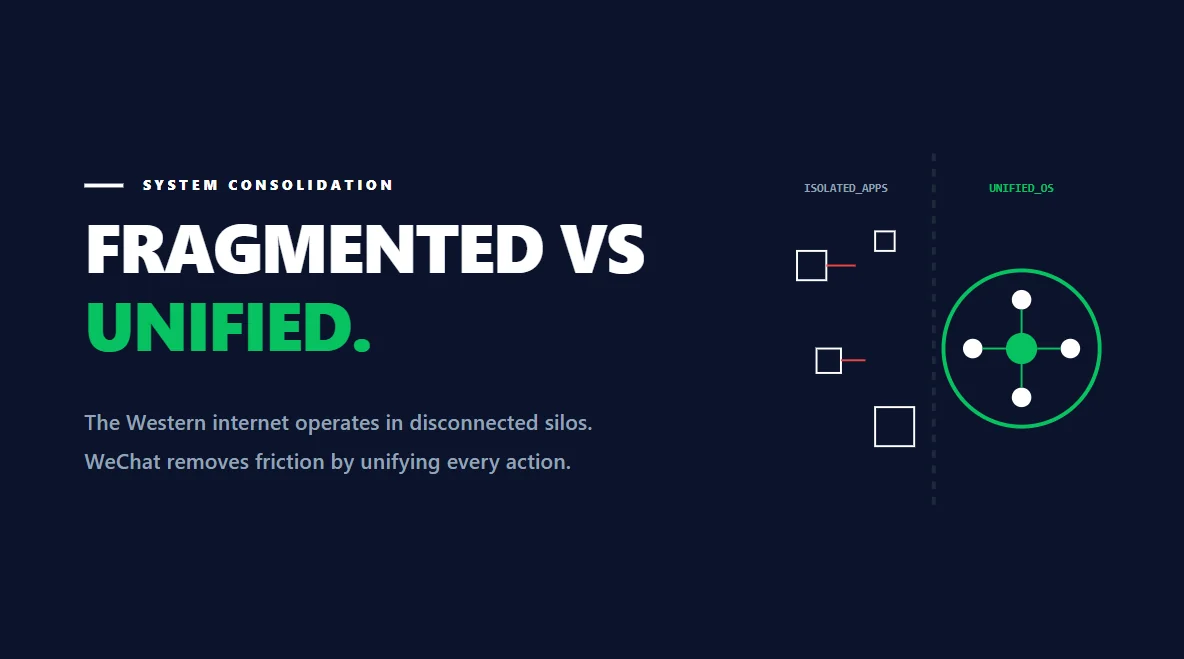
The Western internet is fragmented. You use WhatsApp to chat, Venmo to split bills, Uber to get a ride, Amazon to shop, and Instagram to post photos. Every action requires a different app, a different login, and a different user interface.
WeChat took the opposite path: Extreme Consolidation. It became the digital layer sitting on top of everyday life. By keeping users inside a single, trusted environment, WeChat removed the friction of the internet. You do not switch contexts; you just switch features.
The Core Anatomy of the Super App
To truly understand WeChat, you must break down its four fundamental pillars. Each pillar is powerful on its own, but their interconnectivity is what creates the "Super App" magic.
1. Messaging and Communication (The Foundation)
At its core, WeChat is still a communication tool. It offers text, voice notes, video calls, and group chats. However, the interface is deeply integrated with action. In a WeChat group, you don't just talk about going to dinner; you share the restaurant’s mini-app location, send the menu, and instantly split the bill within the chat thread itself. Conversation immediately turns into transaction.
2. WeChat Moments (The Social Layer)
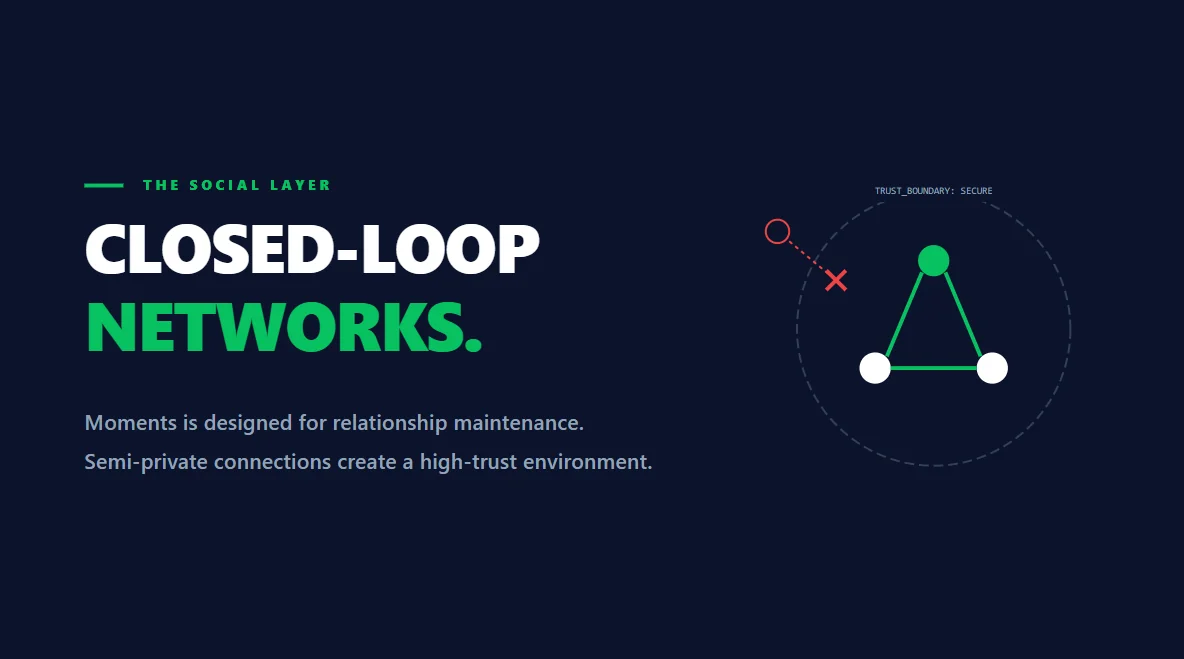
WeChat Moments is the platform’s social feed, functioning somewhat like a private Facebook Timeline or Instagram feed. Users post photos, short videos, and articles. Crucially, Moments is semi-private. You can only see the likes and comments of people who are mutually connected to both you and the poster. It is designed for intimate relationship maintenance, not viral, public broadcasting. This privacy creates a high-trust environment.
3. WeChat Pay (The Trust Engine)
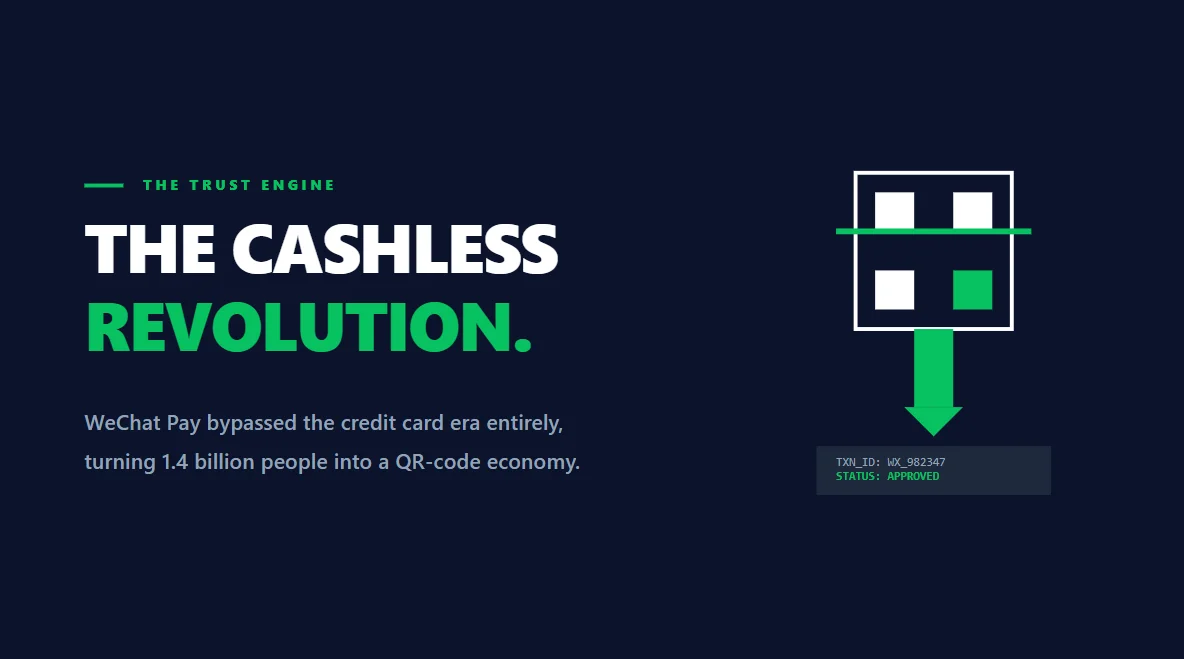
If you only study one feature of WeChat, study its payment system. WeChat Pay, alongside its rival Alipay, completely revolutionized China, skipping the credit card era entirely and turning the country into a virtually cashless society based on QR codes.
You can buy a luxury car or tip a street musician buying a $1 snack using the exact same QR scanning mechanism. Because every user has their bank account linked to the app, purchasing friction drops to absolute zero. This payment layer is the vital glue that makes e-commerce inside WeChat so incredibly lucrative for brands.
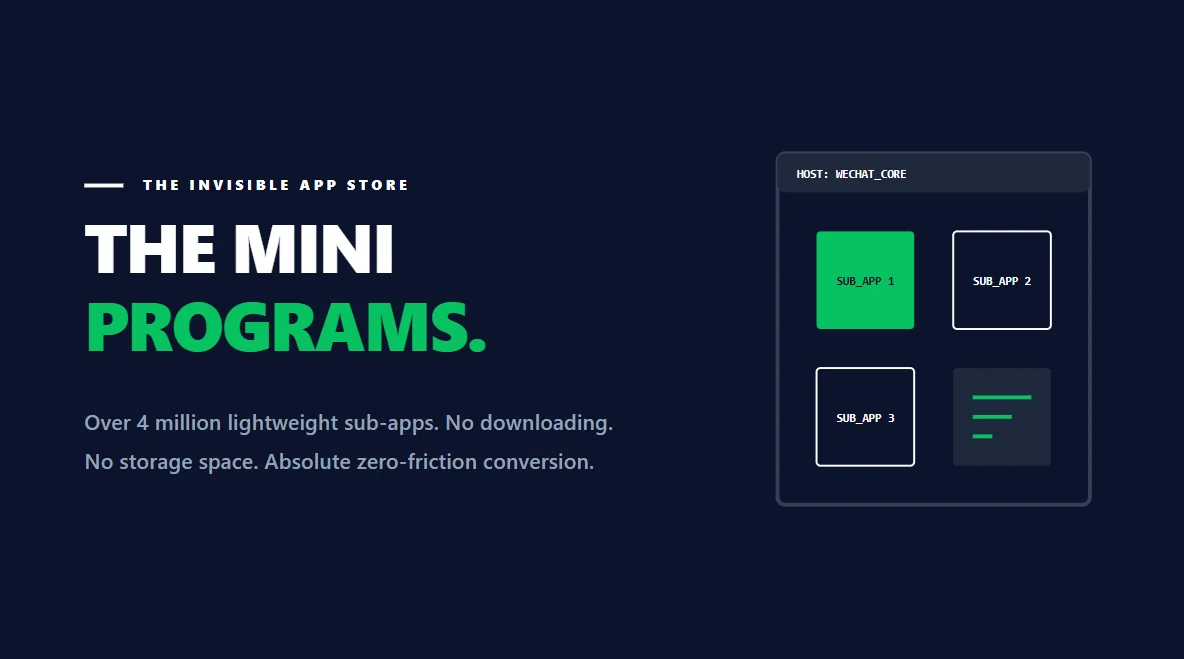
4. Mini Programs (The Invisible App Store)
This is the greatest structural advantage in the ecosystem. Mini Programs are lightweight, sub-applications that live entirely inside WeChat. They do not need to be downloaded from the Apple App Store, and they take up almost zero storage space on your phone.
There are over 4 million Mini Programs currently active. Users can open a brand's Mini Program to shop for shoes, order a Starbucks coffee, book a flight, or play a game. For businesses, developing a Mini Program is significantly cheaper than building a native standalone app, and the user acquisition cost is drastically lower because the user never has to leave WeChat to access it.
How Global Businesses Actually Use WeChat
If you are a Western brand trying to enter the Chinese market, treating WeChat like another Instagram page will lead to immediate failure. WeChat behaves more like a relationship infrastructure than a public vanity channel.
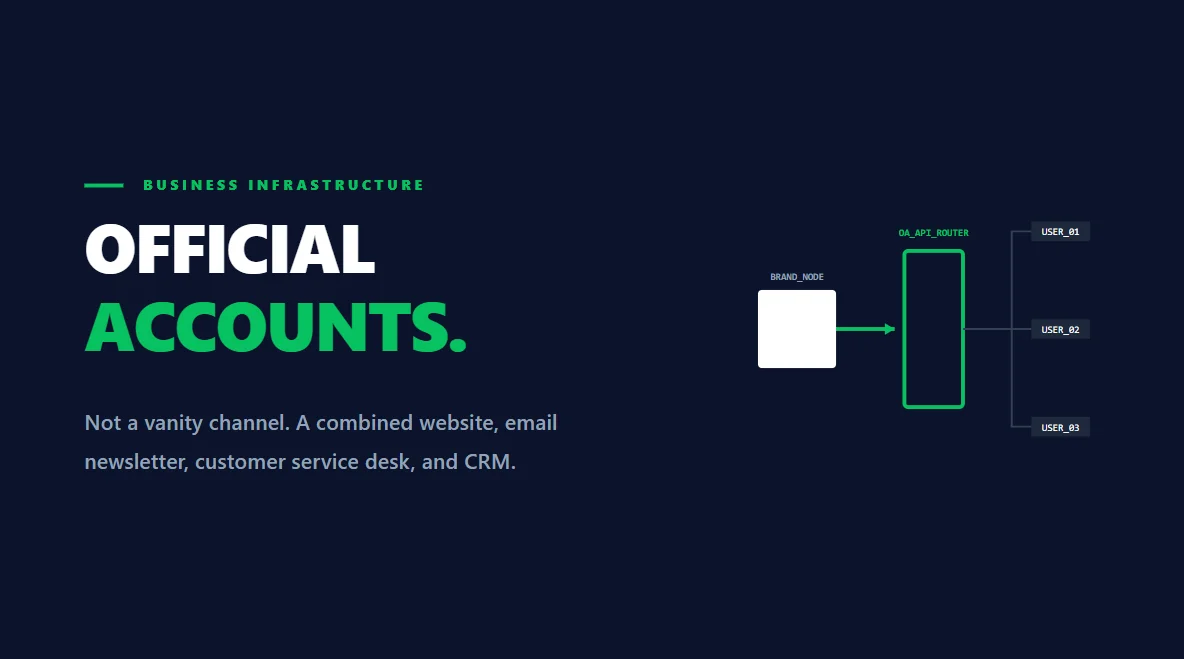
Brands establish their presence through Official Accounts. These act as a combination of a company website, an email newsletter, and a customer service desk.
- Subscription Accounts: Best for media and publishers. They allow brands to push content to users daily, keeping the brand top-of-mind.
- Service Accounts: Best for e-commerce and customer service. They allow fewer broadcasts but offer advanced API integrations, allowing brands to build sophisticated CRM systems, chatbots, and direct links to their Mini Program storefronts.
Community Building: The Core of App Dominance
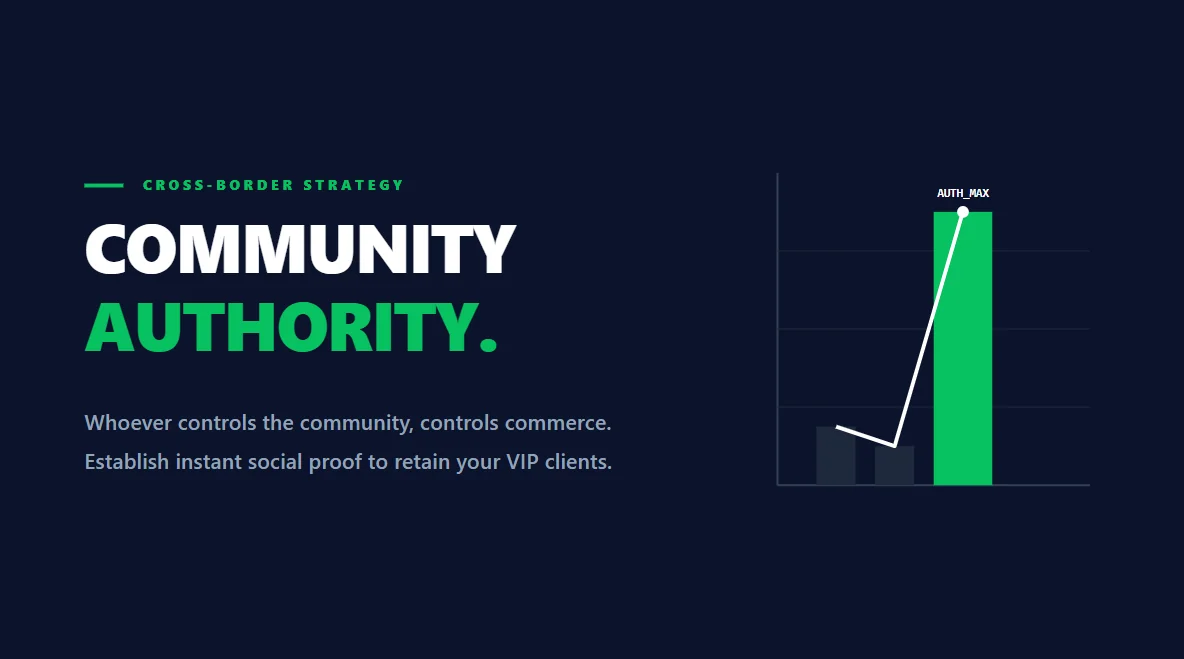
WeChat’s ultimate lesson for global tech is that whoever controls the community, controls the commerce. However, for businesses operating completely outside of China, building a massive, centralized community often requires relying on alternative platforms like Telegram, which offers immense group scaling and bot automation capabilities.
When launching a new corporate community or VIP support channel, starting with zero members looks unprofessional and destroys trust. To establish immediate authority and mirror the "established brand" feel necessary for success, smart digital marketers strategically acquire baseline social proof. When real customers join the channel, they see a thriving, credible ecosystem rather than an empty room, massively increasing their willingness to stay and engage. Authority drives retention.
The Hard Truths: Privacy, Moderation, and the Two Ecosystems
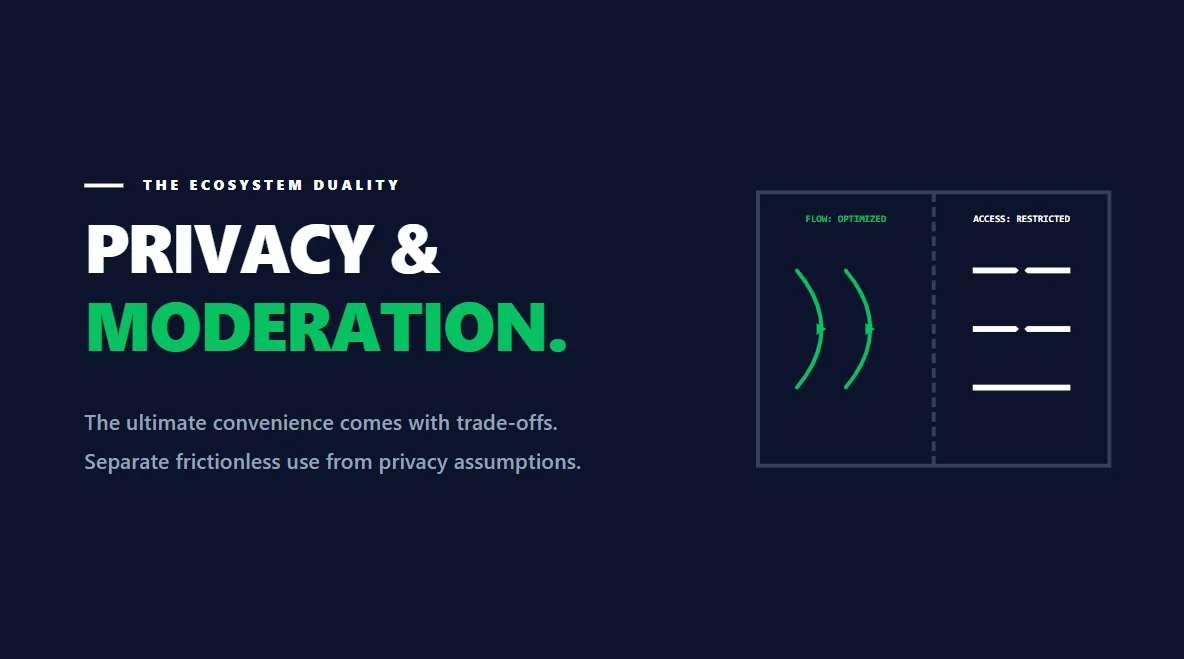
Any honest masterclass on WeChat must address the trade-offs. The absolute convenience of the Super App comes at the cost of deep data centralization. Weixin (the mainland version) operates under strict Chinese jurisdiction, meaning it is subject to heavy state censorship, content moderation, and surveillance.
Global users downloading WeChat from international app stores operate on a slightly different server ecosystem with different privacy policies, but the underlying architecture remains fundamentally tied to Tencent’s global data governance.
The Final Takeaway: WeChat is the most successful blueprint of a closed digital ecosystem in human history. It proves that the future of the internet might not belong to the app that does one thing perfectly, but to the app that successfully removes all friction from a user’s entire day.