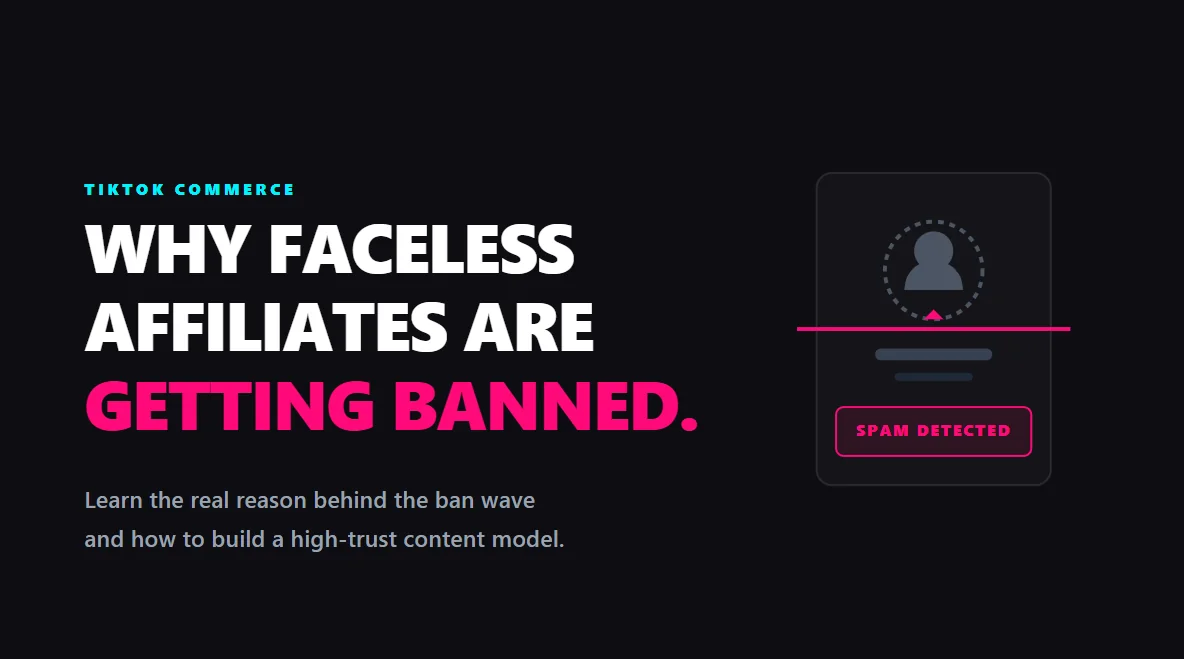
Faceless TikTok Shop affiliate accounts are not banned simply for being anonymous; they are banned because their content is flagged as low-trust, automated spam.
The algorithm actively suppresses repetitive, mass-produced video formats that feature generic AI voices and zero original commentary.
To survive as a faceless affiliate, you must inject high-quality human signals into your content, such as original lighting, unique pacing, and genuine product demonstrations.
Building strong early engagement signals (Likes, Saves, and Comments) is critical to proving your account is a real creator, not a bot farm.
The future of TikTok commerce belongs to highly specific, niche-focused curators who treat their affiliate account like a trusted consumer brand.
For a brief, golden period, faceless TikTok Shop affiliate accounts looked completely unstoppable. The formula was dangerously simple: Cheap content. Fast AI-generated uploads. Endless product rotation. A creator did not need to buy the product, show their face, or even write a script. They just let automation do the work. Then, almost overnight, the cracks started to show. Accounts began losing reach, getting shadowbanned, getting hit with policy violations, or disappearing entirely.
Panic spread, and a massive misconception was born: "TikTok is banning faceless creators."
The problem is not simply that the creator is off-camera. The real issue is that many faceless affiliate accounts became too easy to classify as low-trust, low-effort, and highly replaceable spam. Once a content pattern starts looking mechanical instead of useful, TikTok’s commerce algorithm ruthlessly suppresses it to protect the buyer experience.
Why Are Faceless Product Reviewers Under Pressure?
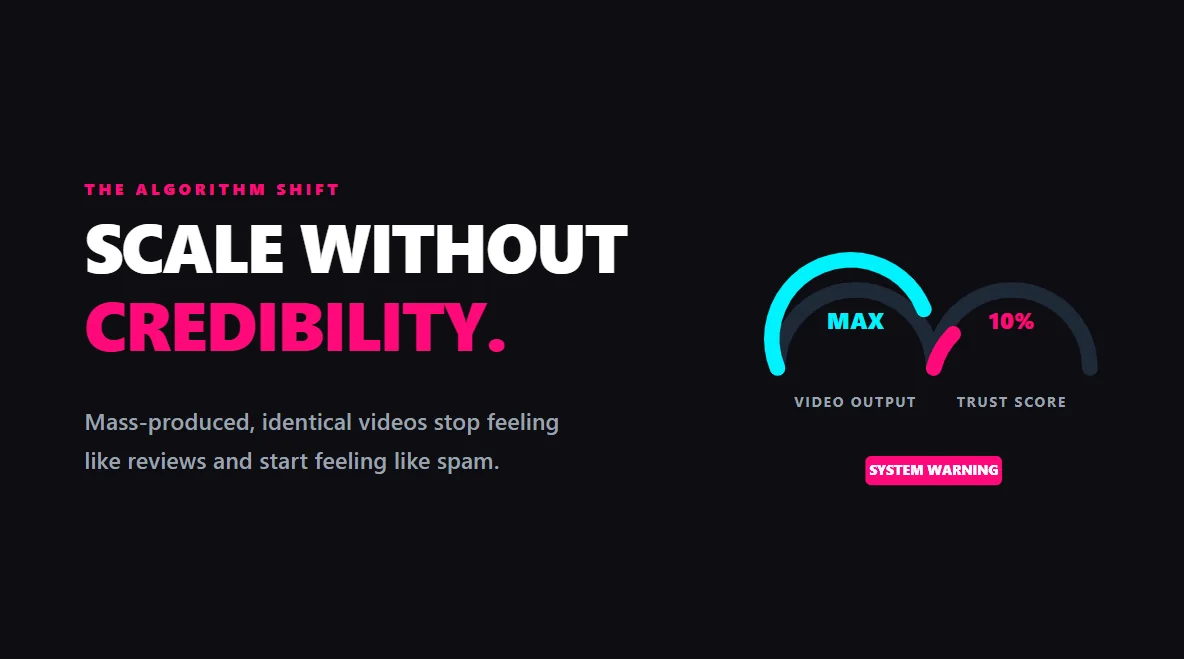
The old volume-first model got crowded incredibly fast. Once thousands of accounts started using the exact same AI voices, the exact same CapCut templates, the exact same aggressive product language, and the same thin sales tactics, the content stopped feeling like genuine review content and started feeling like templated commercial noise.
Platforms notice that pattern. So do viewers. Scale without credibility eventually looks suspicious. TikTok Shop’s primary goal is to build long-term consumer trust. They cannot achieve that if the feed is flooded with interchangeable robot accounts pushing cheap plastic.
Is the Ban Risk About Anonymity or Quality?
It is almost entirely about content quality, trust, and machine pattern recognition. A faceless creator can still build a massive, highly compliant, and wildly profitable brand if the content feels original and believable.
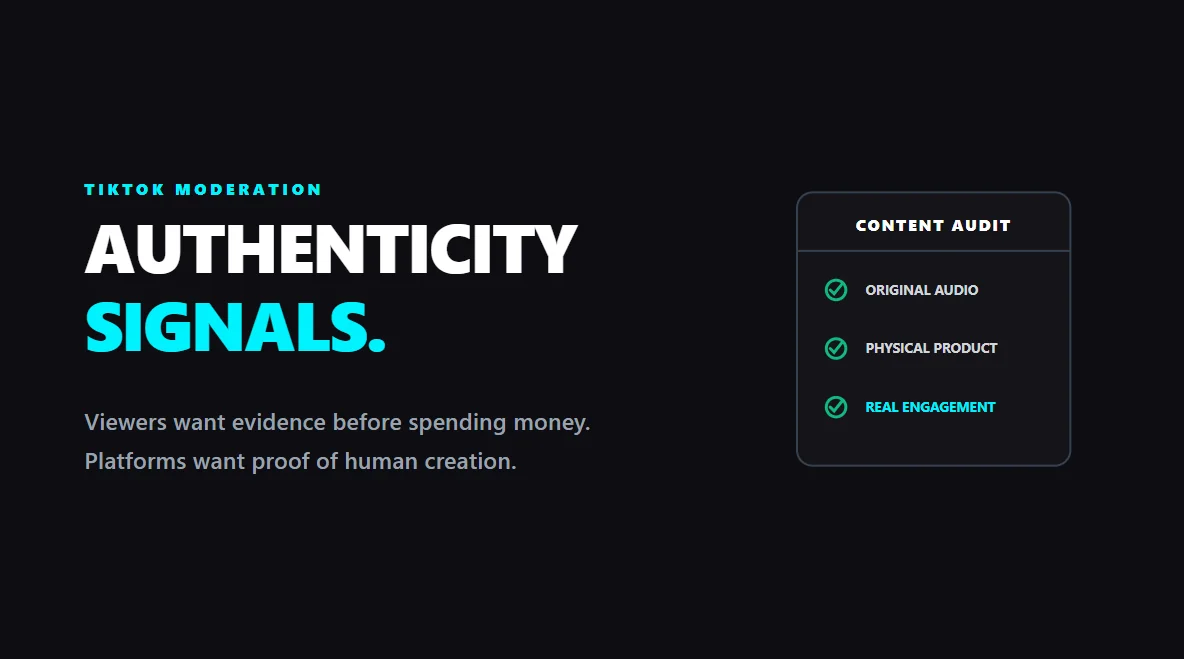
But when a moderation bot scans your account and sees dozens of near-cloned videos with shallow product claims, aggressive "BUY NOW" stickers, and no clear human signal (like distinct pacing, original lighting, or physical interaction with the product), the account fails the trust test. Viewers want evidence before they spend money. Platforms want authenticity signals. Weak accounts fail both.
What Patterns Make Faceless Accounts Look Risky?
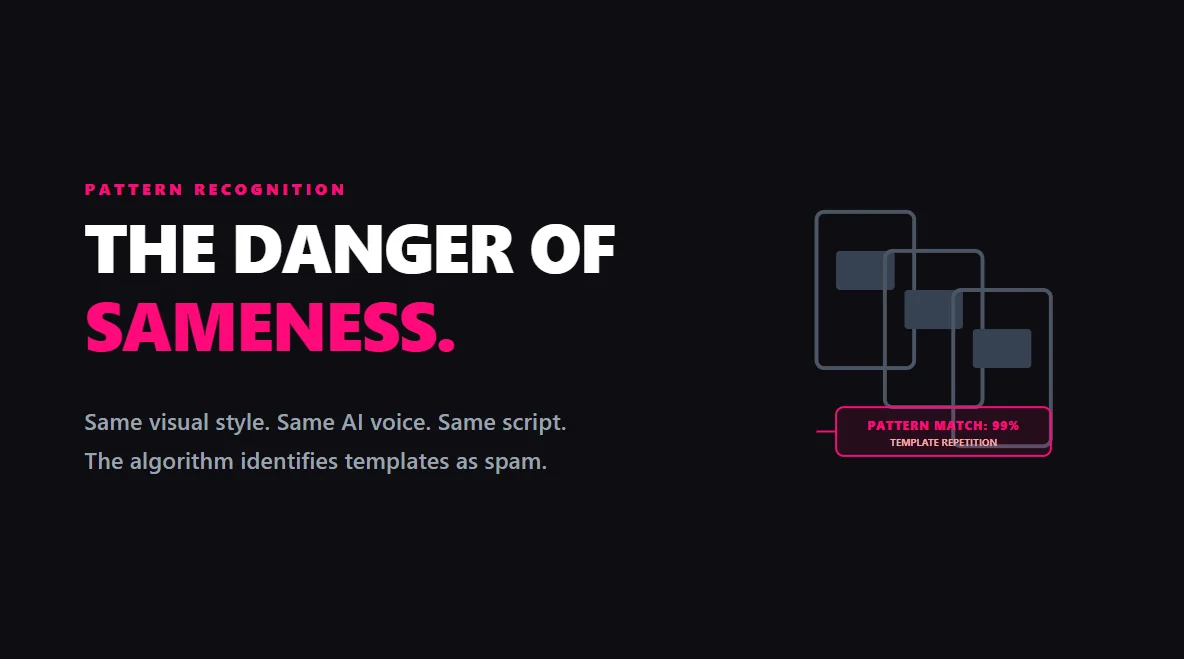
The absolute riskiest pattern is Sameness. Same visual style. Same fast-paced editing. Same empty promise. Same generic product logic.
When this sameness is combined with aggressive sales framing and weak specificity, the account stops looking like a creator brand and starts looking like a disposable affiliate shell. This is where thousands of people lost their income overnight. They optimized for output speed and completely forgot that credibility is part of the algorithm's performance metric.
Why Does Mass-Produced Review Content Fail So Fast?
Because it burns trust on both sides simultaneously. The platform's AI easily detects repeatable, low-signal content patterns. Meanwhile, the human viewer instantly recognizes a cheap pitch rather than a genuine recommendation.
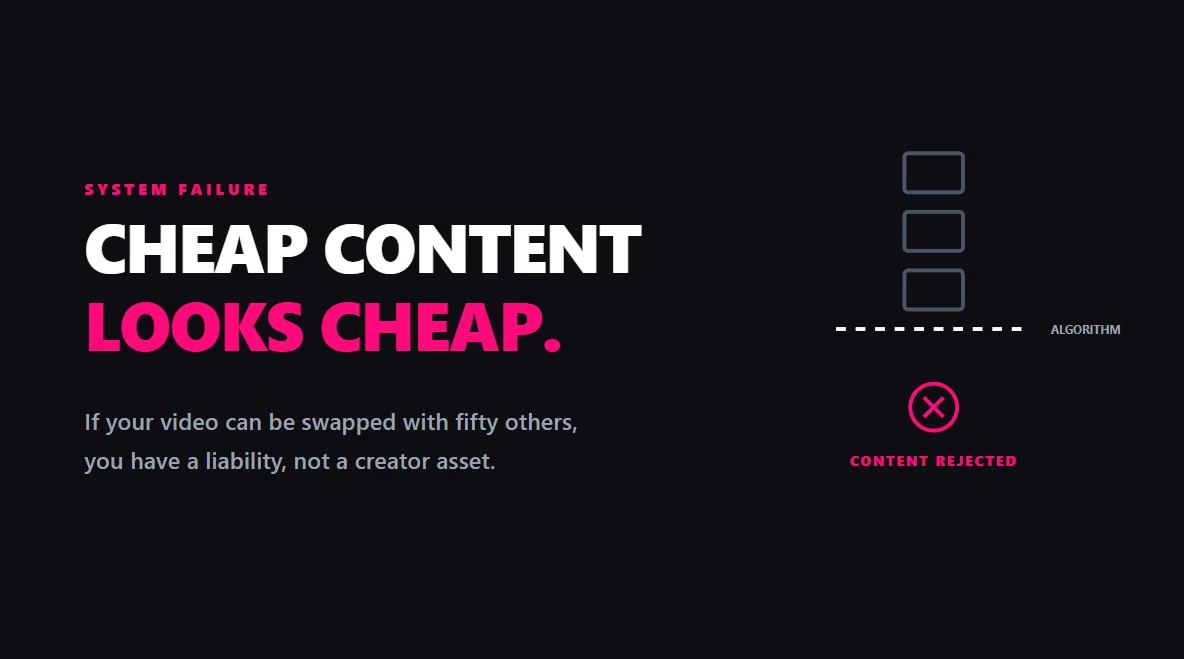
Once both the system and the audience stop believing that your content has real value, your engagement drops to zero, and your enforcement risk skyrockets. Cheap content looks cheap. If your video could be swapped with fifty other affiliate videos and nobody in the comments would notice, you do not have a creator asset; you have a massive platform liability.
Generating Artificial Trust Signals (The Survival Strategy)
When you operate a faceless account, you are already starting at a trust deficit because viewers cannot look you in the eyes. Therefore, the engagement signals on your videos (Likes, Saves, and Comments) must work twice as hard to prove to the algorithm that real humans enjoy your content.
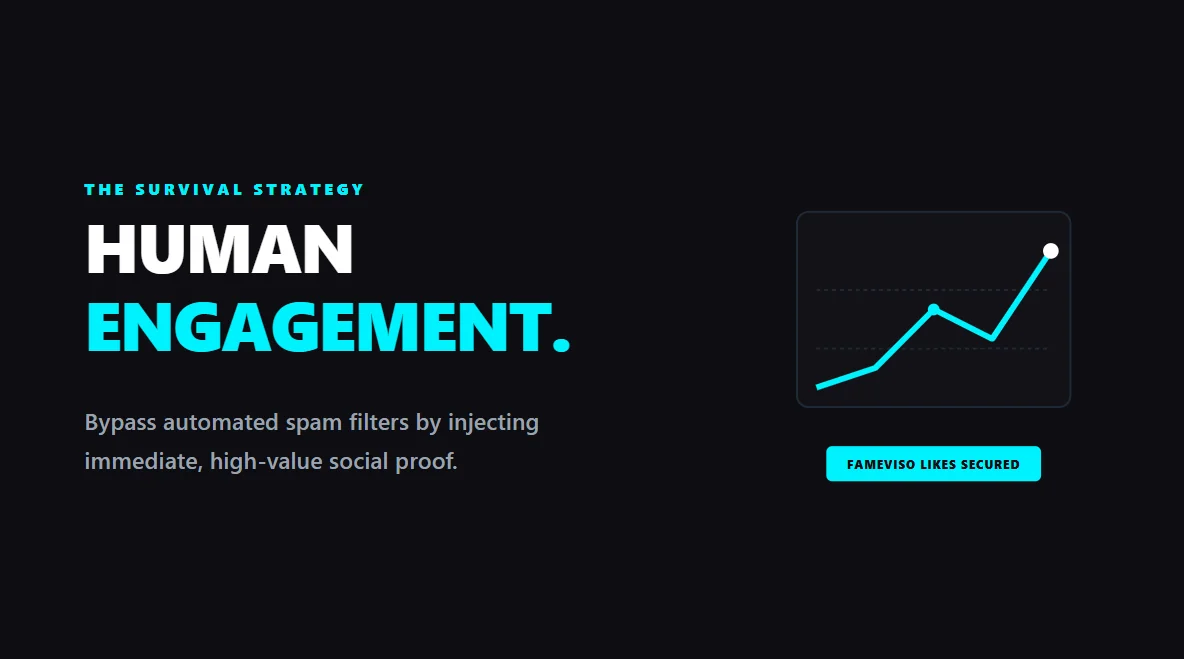
If your video is entirely promotional and gets zero likes in the first hour, the algorithm flags it as spam. To bypass this automated filter and establish an aura of "Human Authority," top-tier affiliate marketers strategically buy TikTok likes from premium, organic networks like Fameviso the moment their review goes live. This is not about faking popularity; it is a defensive SEO tactic. The immediate injection of high-value engagement signals the moderation bots that the content is appreciated by the community, shielding the account from automated spam bans and pushing the video to the broader For You Page.
What Does a Safer Faceless Affiliate Model Look Like?
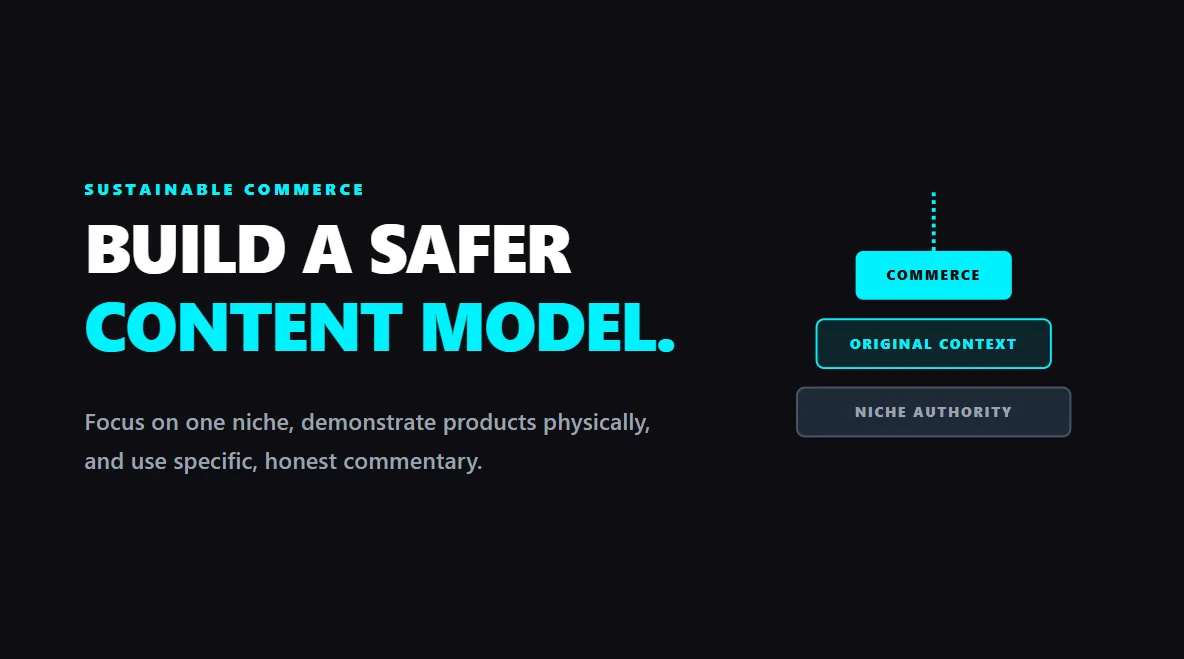
A highly resilient, ban-proof faceless model focuses intensely on one specific niche. It demonstrates products in believable, physical contexts (showing hands interacting with the item). It uses specific, honest commentary instead of vague hype.
Most importantly, it avoids turning every single post into the exact same hard-sell structure. The content must teach, compare, reveal, or solve a genuine problem before the product link even matters.
The Golden Rule: Utility is a Protective Layer
The creators who continue to dominate TikTok Shop behave less like robotic product mills and more like selective reviewers and niche curators. They build content that people would actually want to watch even if the shopping cart icon was completely removed.
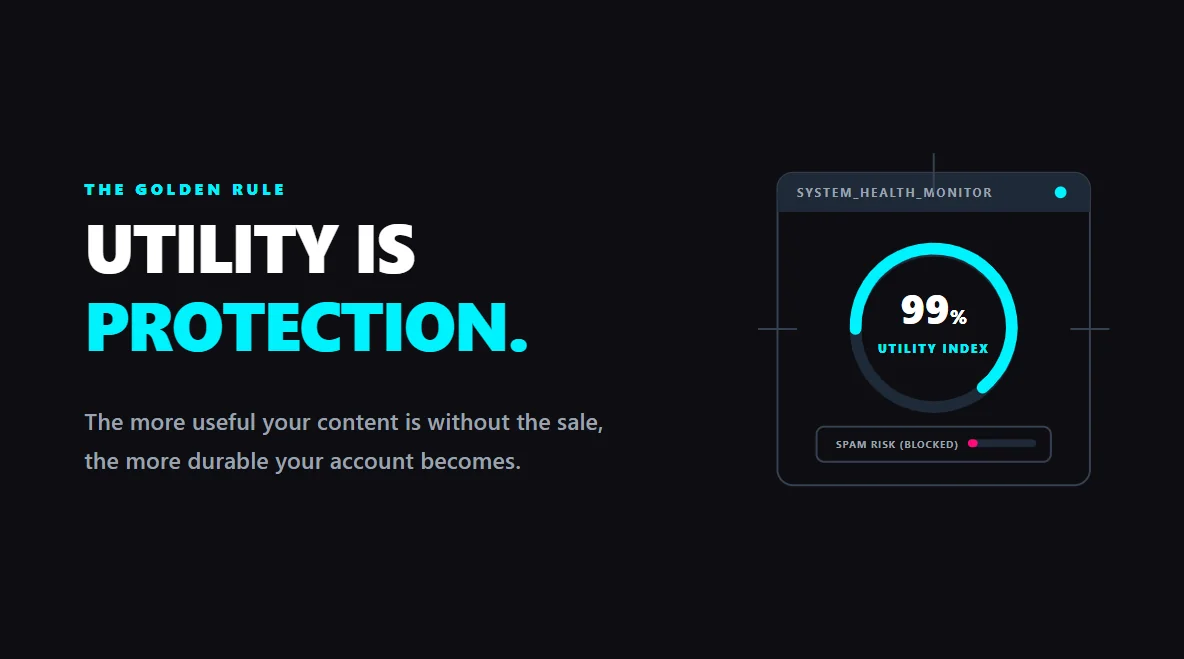
The more useful your content is without the sale, the more durable your account becomes. The future of TikTok commerce does not belong to faceless spam; it belongs to faceless credibility.