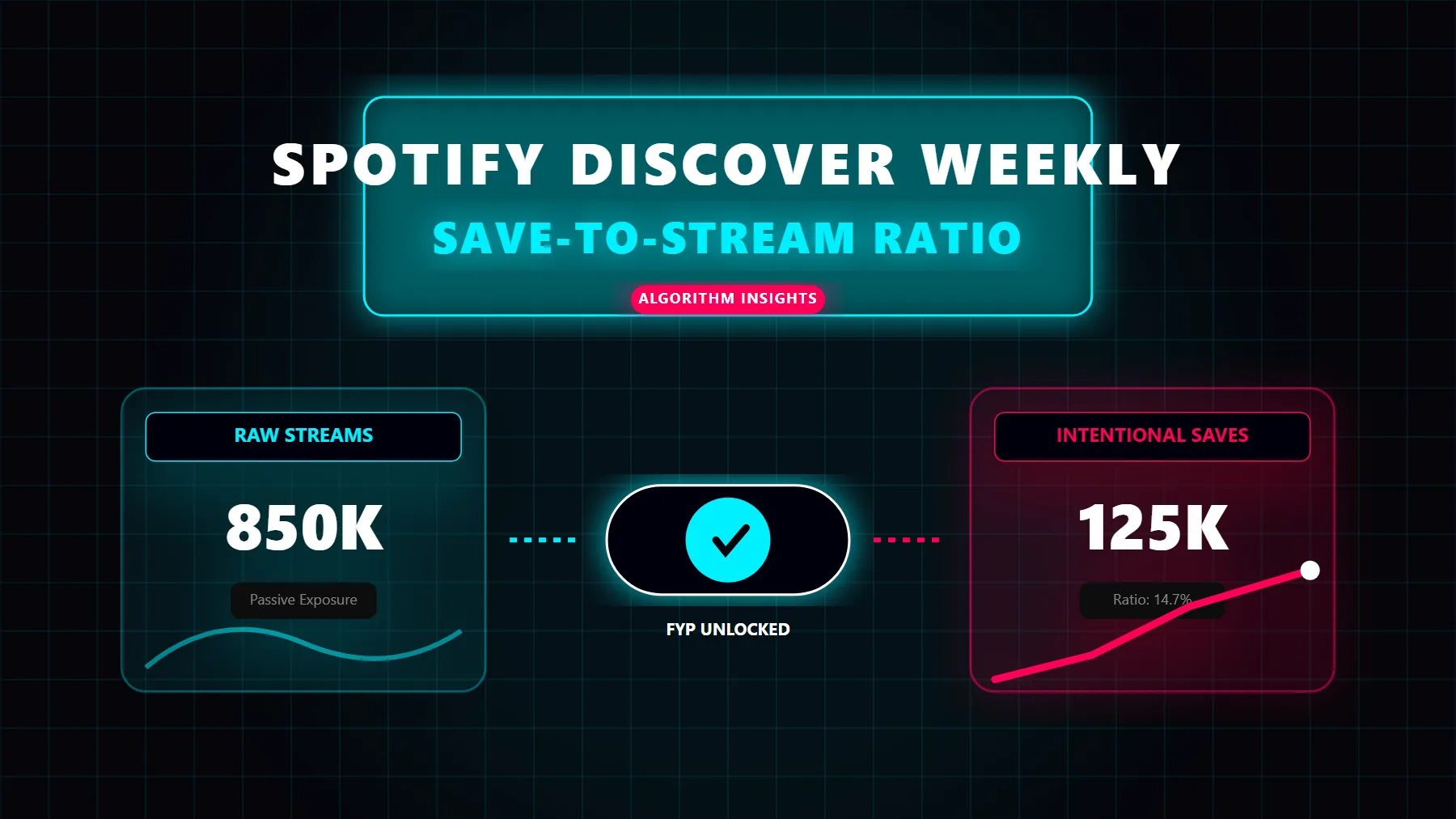
Spotify evaluates save rate as the ultimate indicator of future listener intent, prioritizing it over raw, passive stream volume.
A strong save-to-stream ratio early in the release window heavily influences the algorithm’s confidence to push your track to the FYP.
Low-quality bot or untargeted traffic inflates stream counts but destroys save rates, signaling poor quality to the algorithm.
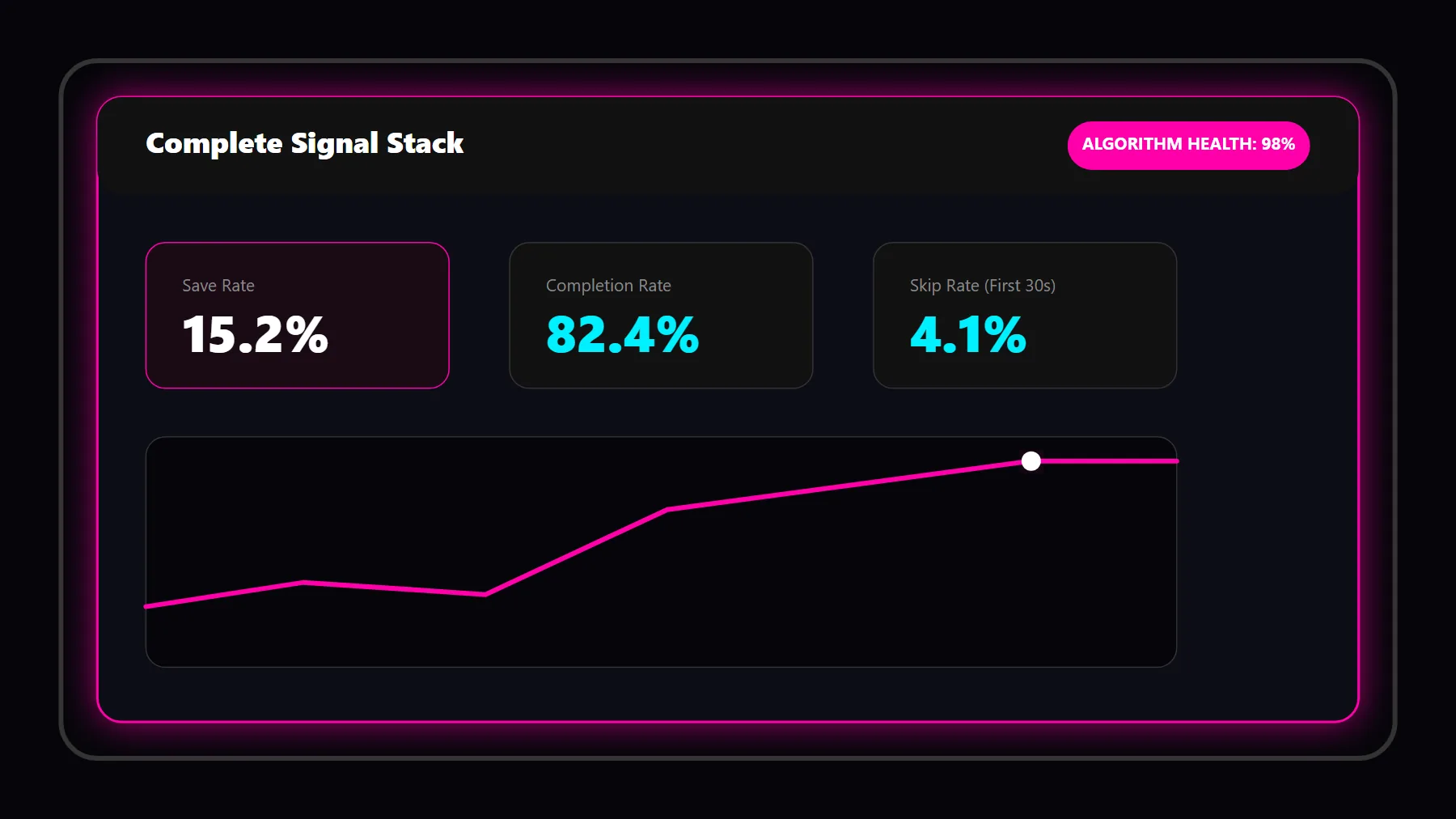
Discover Weekly placement requires a holistic signal stack: healthy saves, low skip rates, and high completion rates combined.
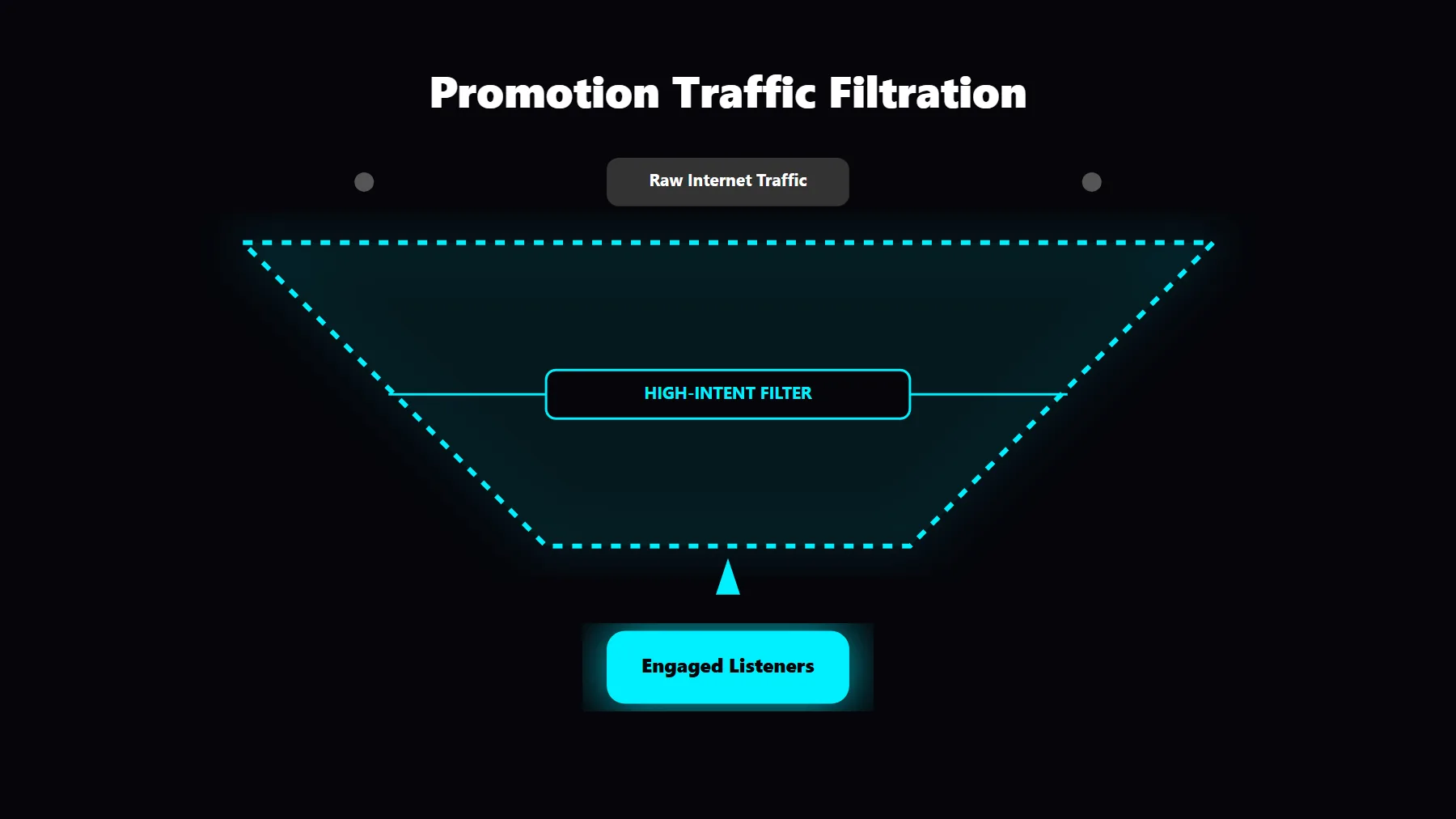
Effective music promotion targets engaged listeners who naturally generate positive retention metrics, avoiding empty vanity numbers.
The exact save-to-stream ratio required to trigger Spotify Discover Weekly is the music industry’s most debated metric. Artists and labels constantly search for a magic percentage, assuming the algorithm operates like a simple vending machine. However, Spotify’s recommendation engine is far more sophisticated.
Based on extensive field data, playlist analytics, and release campaign tracking, one undeniable reality emerges: save rate is the ultimate indicator of listener intent. When an audience consistently saves a track, the algorithm registers undeniable proof of long-term value, exponentially increasing the odds of algorithmic distribution.
The Reality of Spotify's Save-to-Stream Ratio
Spotify has never published a universal, fixed threshold that guarantees a Discover Weekly placement. Believing that hitting exactly 10% will automatically unlock the algorithm oversimplifies a multi-layered machine learning system.
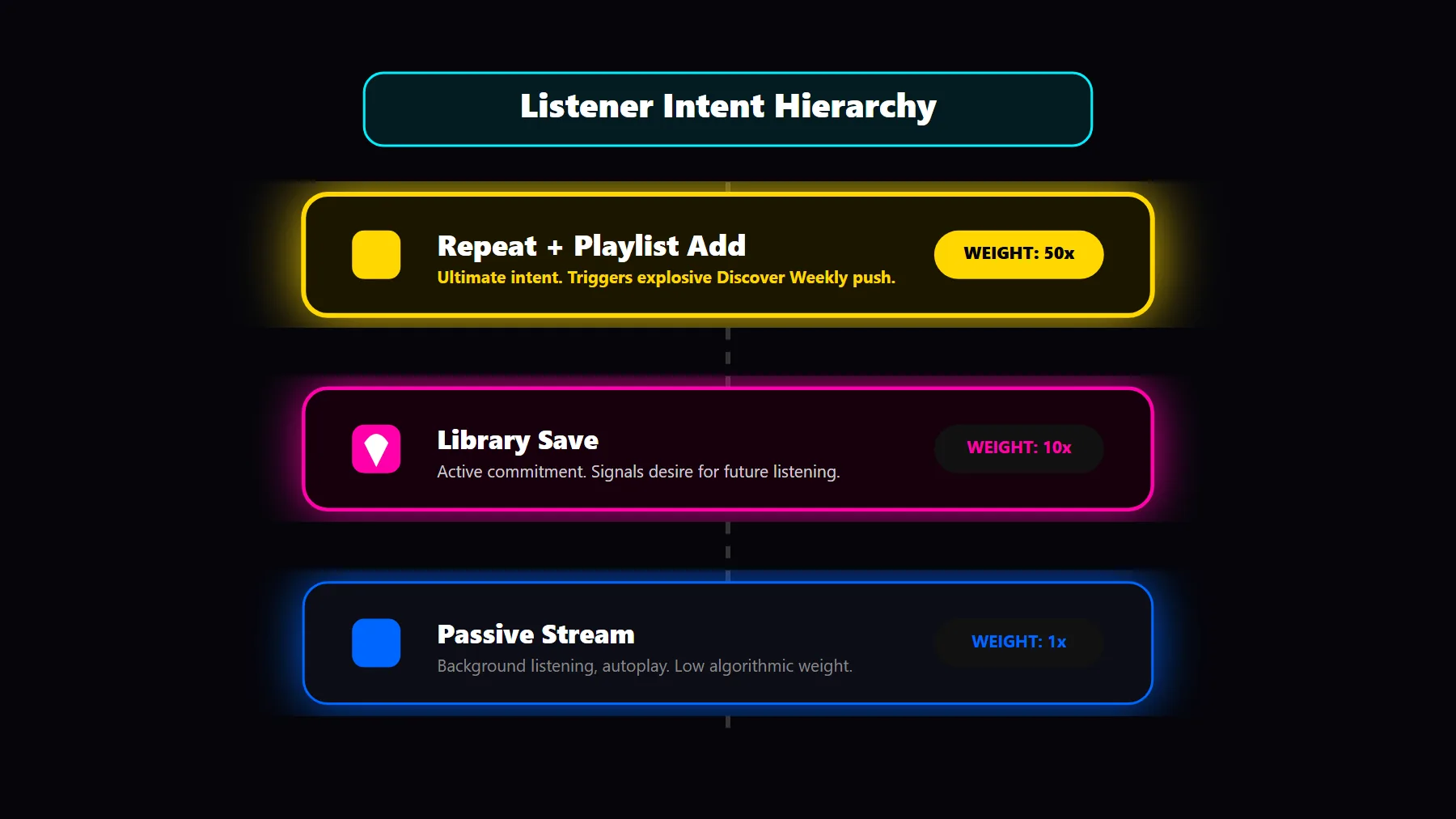
The algorithm evaluates listener intent. A passive stream often happens by chance—through autoplay, background listening, or editorial placement. A save, however, requires deliberate action. It communicates a direct request from the listener: "I want to hear this again." This future intent is what recommendation algorithms are designed to scale.
Why Passive Volume Destroys Algorithmic Trust
Chasing raw stream numbers without monitoring retention is a fatal mistake. When an artist pushes untargeted traffic to a track, the stream count rises, but the save rate plummets. To the Spotify algorithm, high traffic with zero saves looks like clickbait.
If thousands of people listen to a track but no one keeps it, the system marks the audio as disposable. Strong save behavior builds algorithmic trust, while hollow volume actively destroys it.
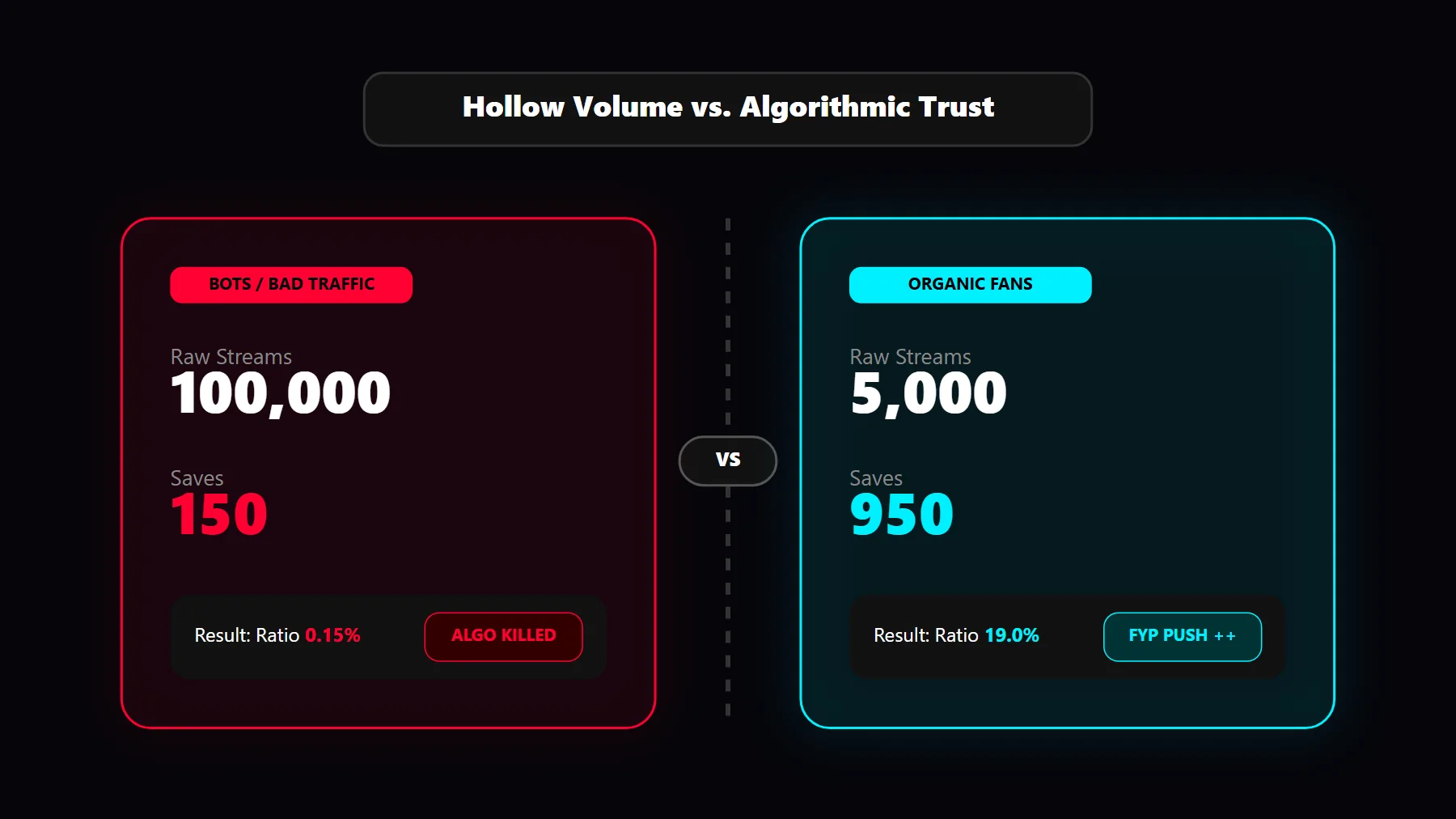
What is a Strong Save-to-Stream Ratio Benchmark?
While no official line exists, release data suggests that maintaining a save rate between 10% and 15% during the initial launch phase is a strong indicator of an engaged audience. Tracks hitting these markers consistently demonstrate that listeners are converting from samplers to fans.
However, the ratio must be authentic. A high save rate is only valuable if it correlates with low skip rates and high completion rates. The algorithm looks for alignment across all behavioral metrics.
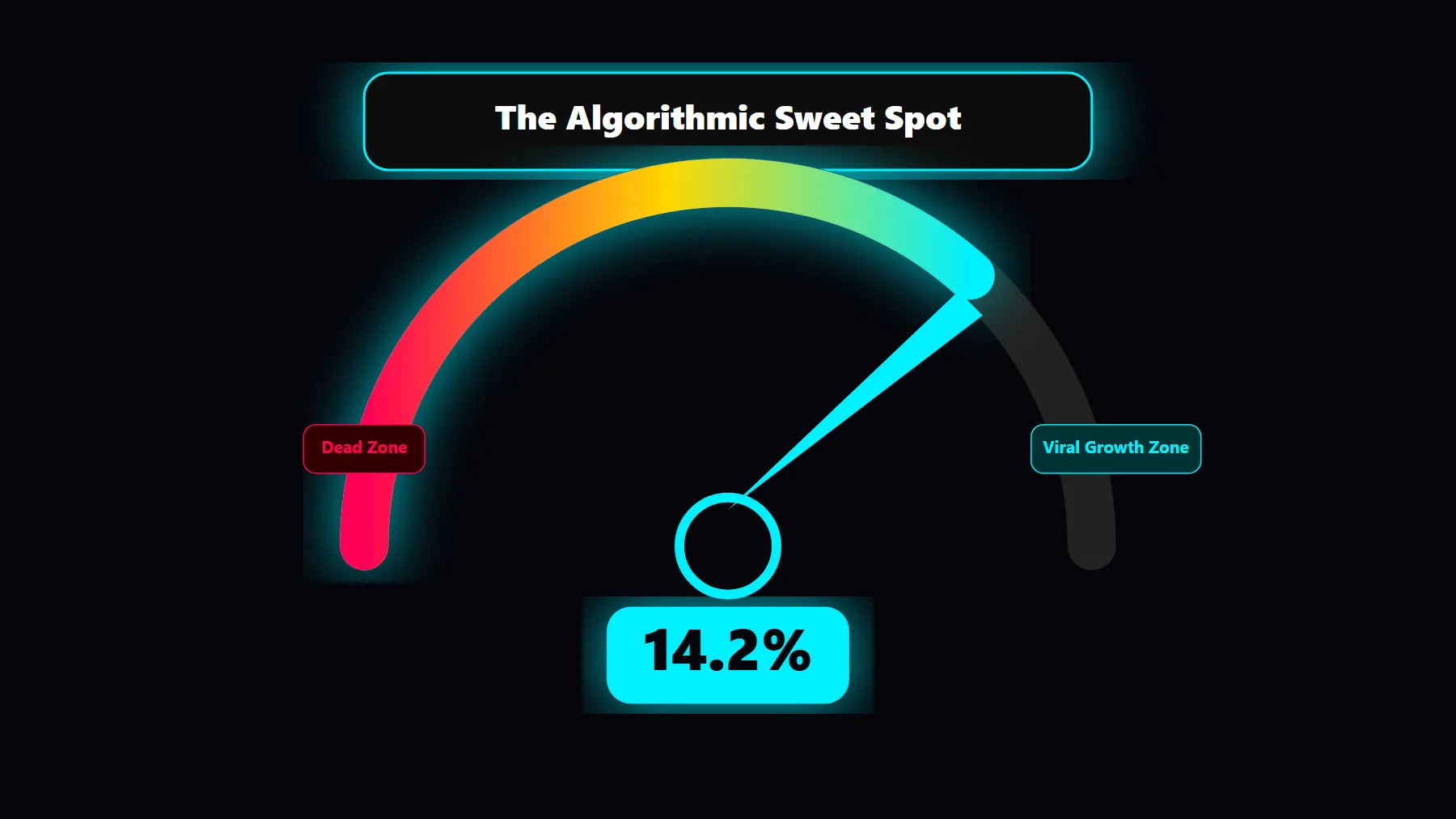
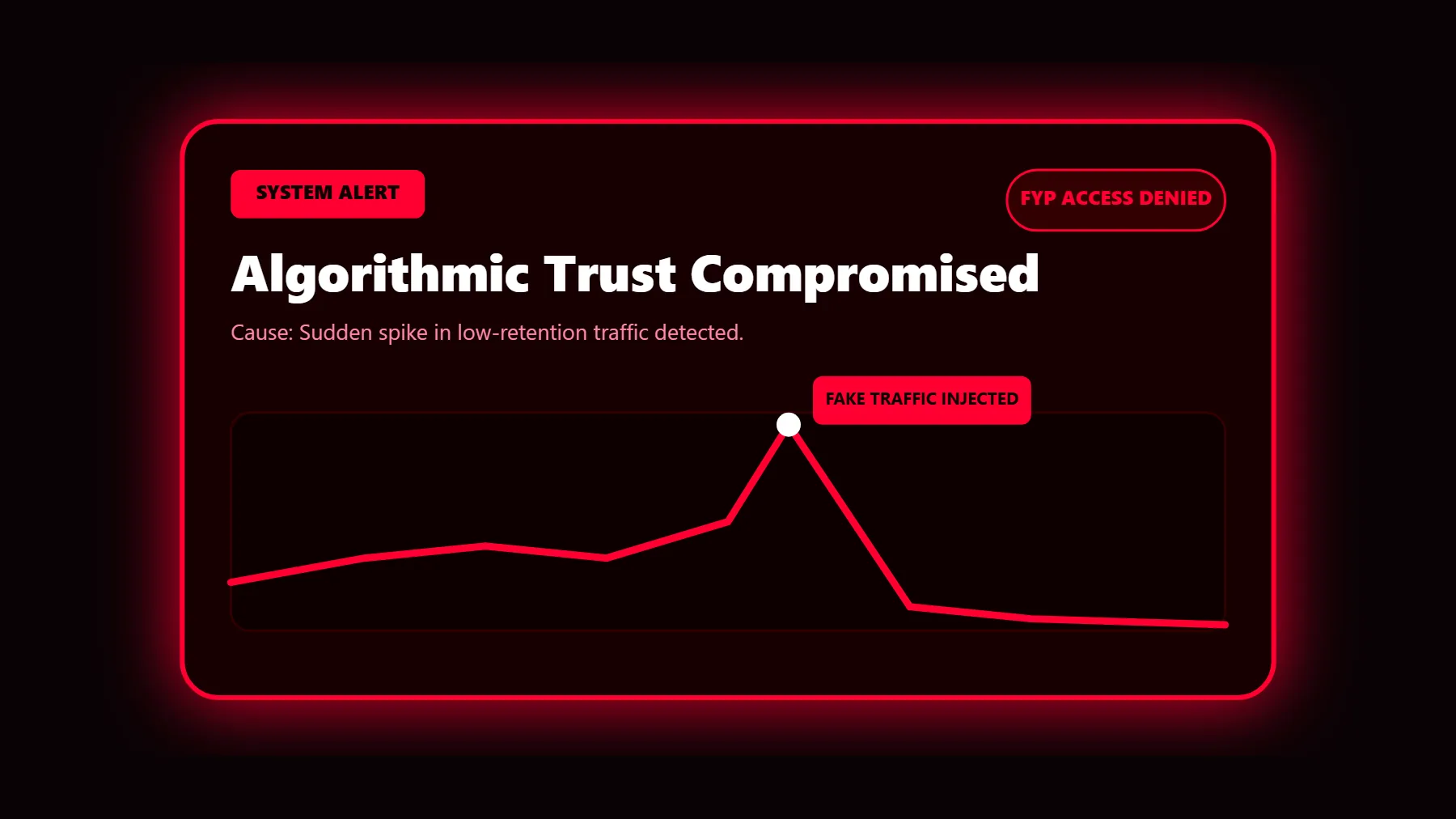
The Danger of Fake Streams and Hollow Momentum
Artists often fall into the trap of buying cheap streams or using generic playlist networks to inflate their numbers. This strategy guarantees a collapsed save rate. The algorithm instantly detects anomalies where streaming velocity heavily outpaces save intent and playlist additions.
Tracks with modest, organic stream counts consistently outperform inflated releases because the underlying listener behavior is genuine. Real fans save tracks; bots and uninterested scrollers simply skip.
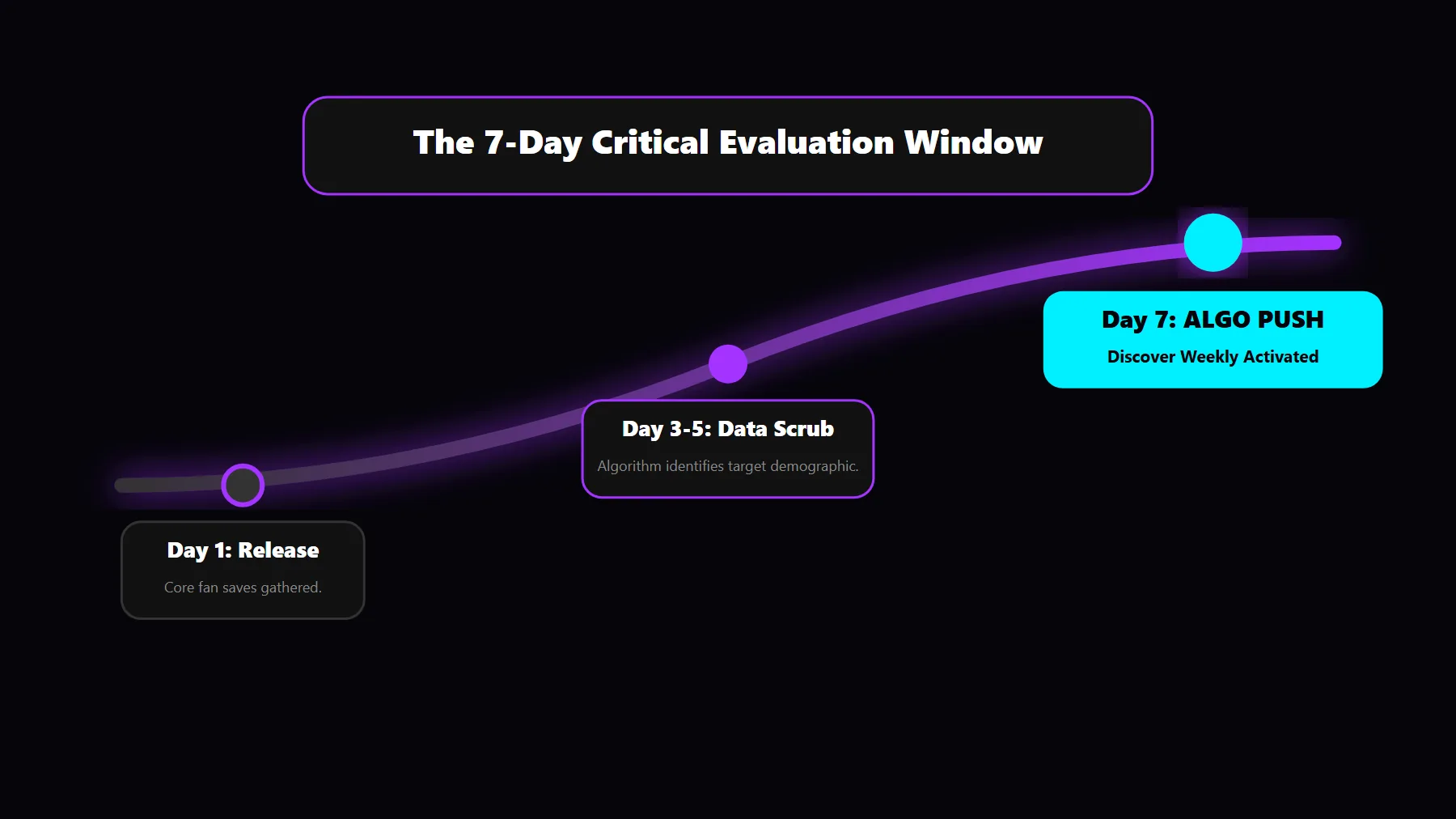
Optimizing the 7-Day Algorithmic Release Window
The first week following a release provides Spotify with its most critical data. The system uses this early behavioral footprint to determine the track's target demographic and its potential for broader distribution.
A healthy save rate in the first 7 days reinforces that the song is reaching the right ears. Directing marketing efforts toward core fans and highly targeted lookalike audiences during this window ensures the data remains clean and actionable for the algorithm.
Engineering Promotion for Quality Traffic
Promotion only helps Discover Weekly placement if it generates high-intent behavior. Effective music marketing focuses on acquiring listeners who will actually save, playlist, and replay the track.
Stacking quality signals through targeted social campaigns, verified playlist placements, and direct fan engagement creates a behavioral profile that the algorithm cannot ignore. When listener intent is high, algorithmic scaling naturally follows.
The Complete Algorithmic Signal Stack
Do not track saves in a vacuum. Monitor the entire signal stack: skip rate, completion percentage, repeat listening, and algorithmic conversions. These metrics collectively determine algorithmic viability.
When you prioritize audience fit over raw volume, the save-to-stream ratio naturally aligns, paving the way for sustained Discover Weekly growth and long-term artist discovery.