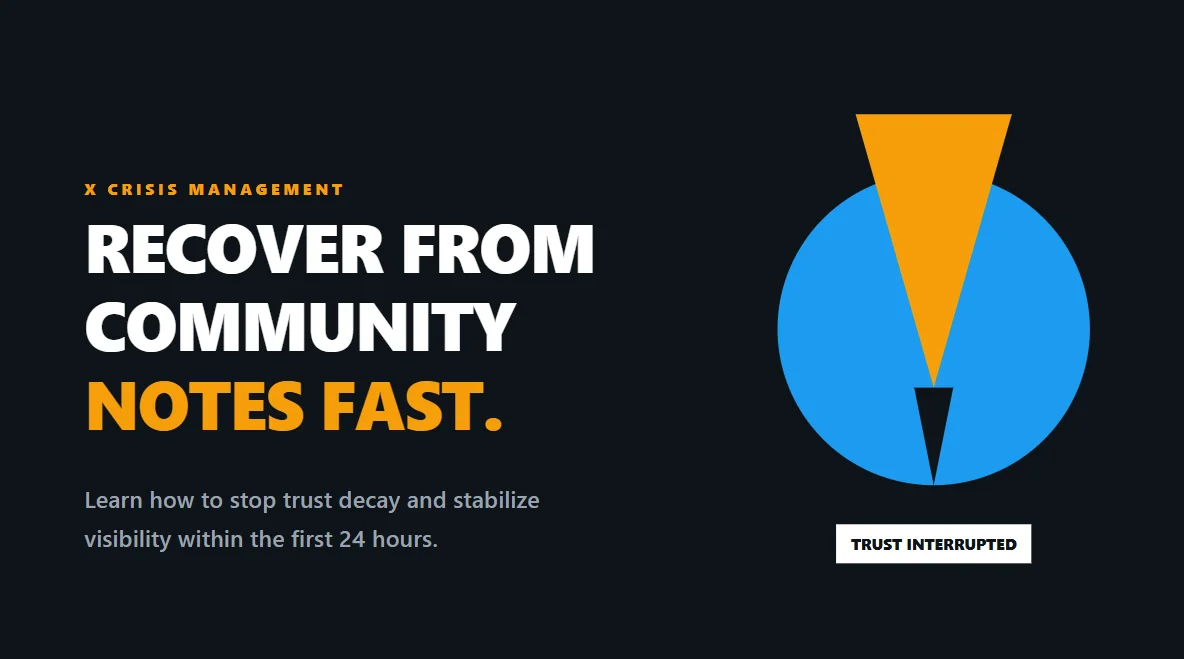
A Community Note completely alters how users perceive a brand post, shifting the psychological frame from trust to immediate skepticism.
The first 24 hours are critical. A brand’s slow, silent, or overly defensive reaction causes more reputational damage than the Community Note itself.
Deleting a post with a Community Note can look evasive; keeping it up without context looks careless. Brands must choose the path that restores clarity fastest.
Effective crisis communication requires diagnosing the truth gap quickly and issuing a precise, non-emotional follow-up statement.
During a recovery phase, distributing the correction post efficiently is just as important as writing it, ensuring the audience sees the resolution, not just the mistake.
A Community Note lands on your brand post on X, and the energy changes immediately. What looked like a clean, clever campaign moment suddenly transforms into a public trust test. People stop reading your post the same way. Screenshots start moving across timelines. Replies get sharper and more cynical. Even loyal customers who never cared before now have a platform-endorsed reason to doubt what you said.
That is the real danger of this feature. A Community Note does not just add information; it fundamentally changes the frame around your content. And once that frame shifts from "authoritative" to "disputed," both user perception and algorithmic distribution drop fast.
Why is a Community Note So Damaging for Brands?
Because it acts as a permanent Credibility Interrupt. Before the note, the brand controlled the narrative. After the note, the brand is forced to share the narrative with thousands of skeptical users. People do not view the post in isolation anymore; they view it through a thick layer of public correction and contradiction.
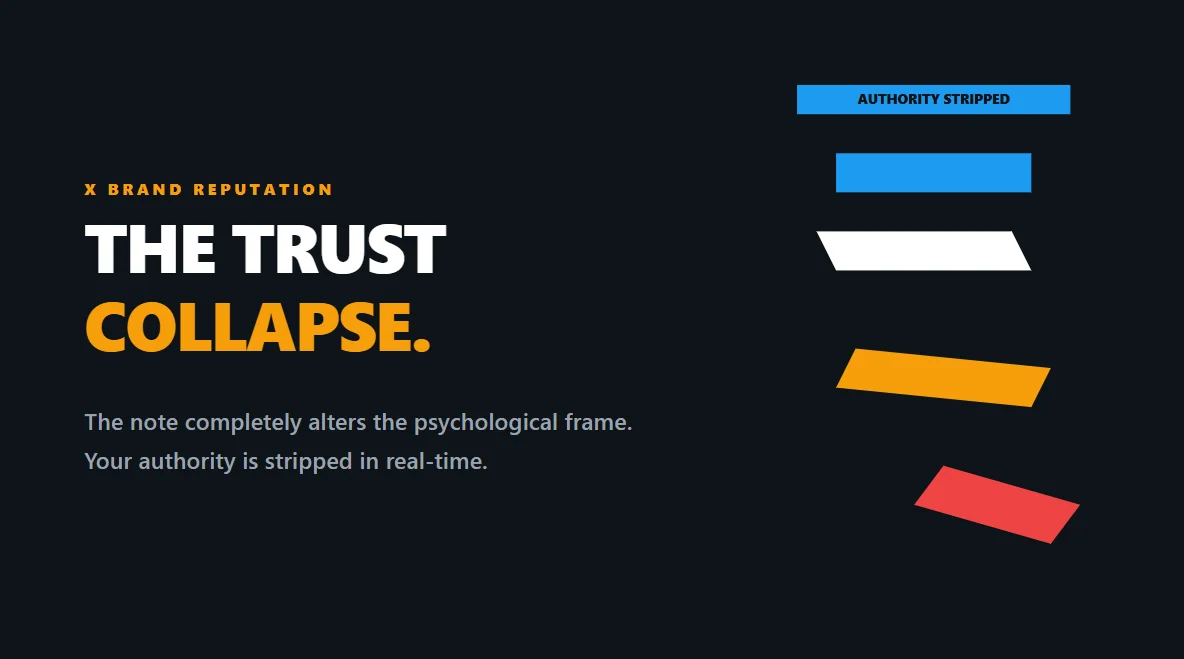
This matters more than many marketing teams realize. The note is not just text floating under the post; it becomes integrated into the post’s meaning. It strips away the brand’s authority in real-time.
Is the Problem Only Algorithmic?
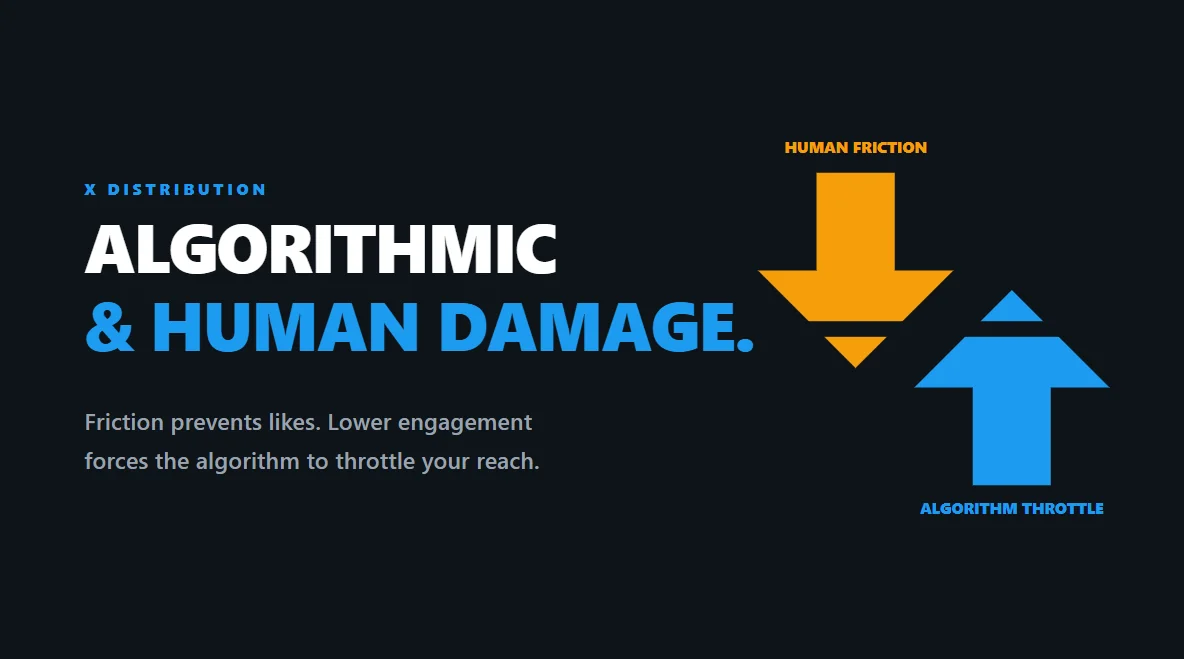
No. While the X algorithm may throttle content that receives Community Notes, the human behavioral effect is often much larger. When users see a note, they experience psychological friction. They become significantly less likely to hit the like button, less likely to quote-post positively, and less likely to click through to your website.
That sudden behavioral shift reduces your engagement metrics organically, which then tells the algorithm to stop pushing the post. Perception and distribution start feeding each other in a downward spiral.
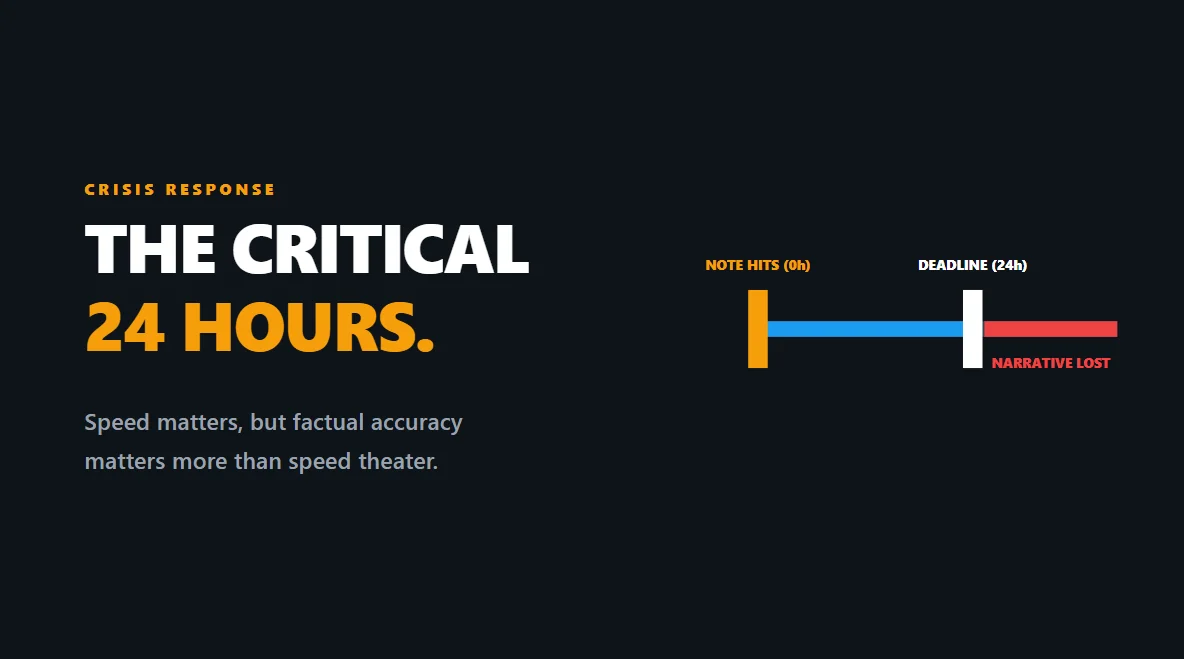
The Critical First 24 Hours: What You Must Do
When the note hits, the clock starts. The first 24 hours will dictate whether this becomes a forgotten hiccup or a week-long PR disaster. First, you must verify the facts internally. Is the note factually valid, partially missing context, or entirely misleading? Once you know the truth gap, you must decide your posture.
We have seen massive brands make the situation exponentially worse by posting instantly without internal alignment. A fast, incorrect, or highly emotional response is not a recovery plan—it is fuel for the fire.
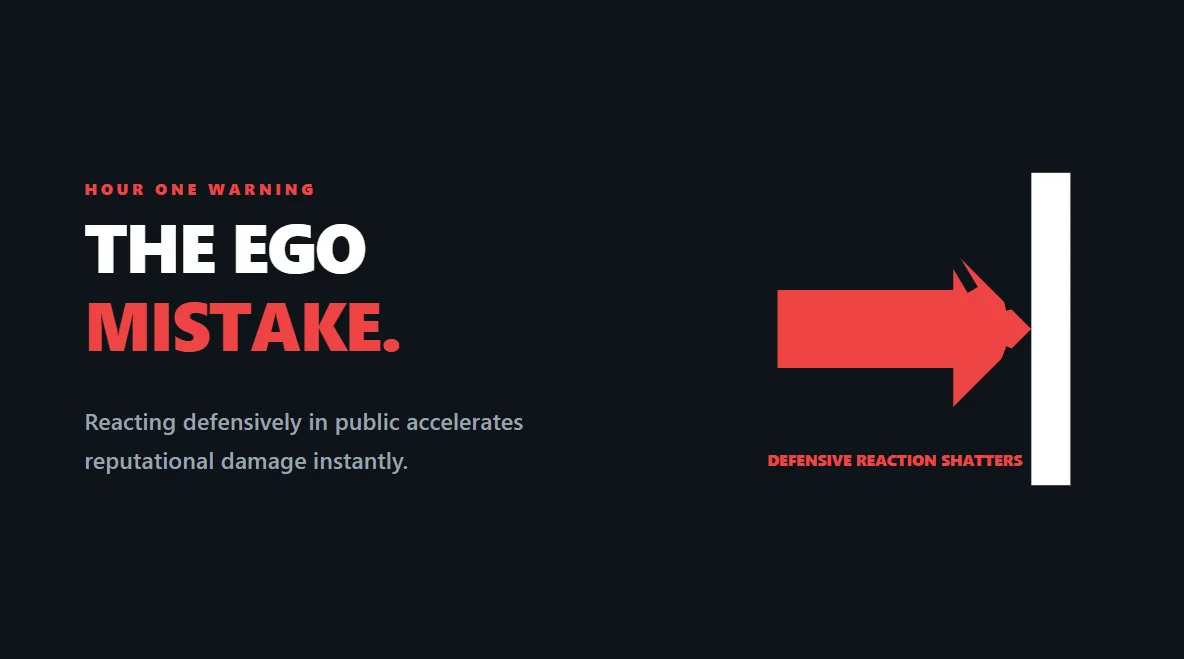
The Biggest Mistake in Hour One
The single biggest mistake a brand can make is reacting defensively in public. Launching angry replies, deploying a sarcastic tone, or attempting ego-driven denial makes the brand look fragile and untrustworthy. Once that defensive posture is visible, the community stops questioning the post and starts actively rooting for the downfall of the brand.
This is where reputation damage truly accelerates. The long-term harm rarely comes from the initial mistake; it almost always comes from the arrogant reaction to the mistake. In hour one, your job is diagnosis and message control, not debating anonymous users.
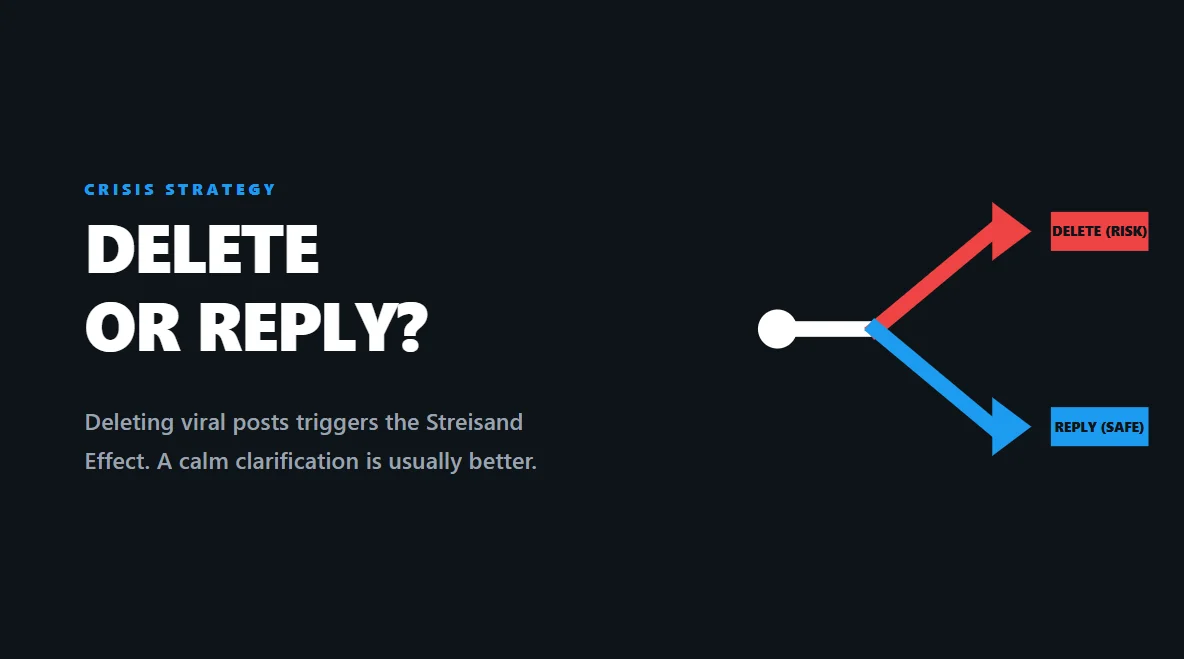
Delete, Reply, or Leave It Up?
This is the hardest decision a social media manager faces. The answer depends heavily on how far the post has spread.
- Delete: If the post is actively harmful, factually dangerous, and caught early, deletion followed by a clean correction post is appropriate.
- Leave It Up: If the post has already gone viral, deleting it will trigger the Streisand Effect. Users will post screenshots, accuse you of hiding the truth, and the backlash will multiply. In these cases, leaving it up but publishing a highly visible follow-up clarification is the strongest play.
Whatever you do, pretending the note does not exist is always the weakest option.
Executing the Recovery and Distribution Strategy
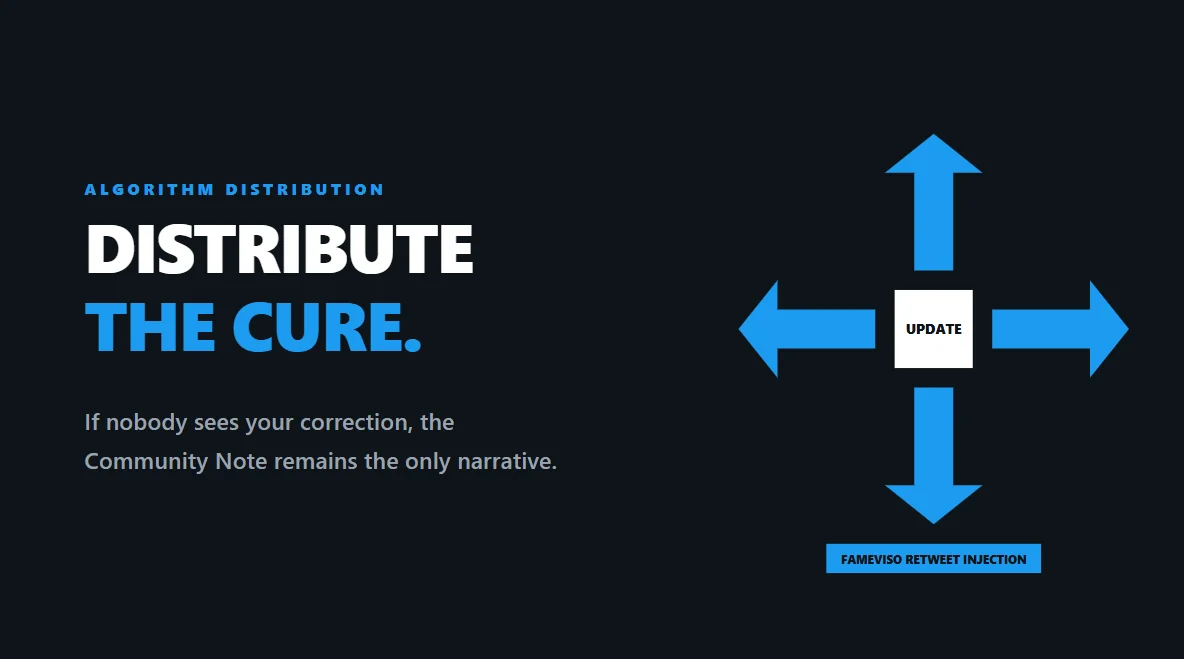
Smart brands shift from posture to precision. They assess the truth gap, remove all emotional friction from their tone, and put out a clean, accountable update. But writing the perfect correction post is only half the battle. If nobody sees your correction, the Community Note remains the only narrative.
During a crisis, you need your clarification to gain momentum faster than the outrage. To ensure the correction outpaces the damage, elite crisis teams often buy Twitter retweets from reliable, organic networks like Fameviso for their follow-up statement. This tactical distribution strategy forces the algorithm to push the brand’s official clarification to the top of timelines, ensuring that the audience sees the mature resolution rather than just focusing on the original mistake. It reclaims narrative control through sheer velocity.
The Golden Rule: Stabilize the Brand
A good recovery does not try to argue louder; it restores confidence faster. After the correction is made, the most important thing you can do is publish stable, high-value, uncontroversial content over the next few days. The account needs to feel steady and competent again.
You cannot control when a Community Note hits. But by avoiding emotional responses, choosing transparency over deletion, and ensuring your clarification gets the distribution it needs, you absolutely control the recovery arc.