The Instagram story viewer list is not a chronological record of who stalks you; it is a predictive interaction model.
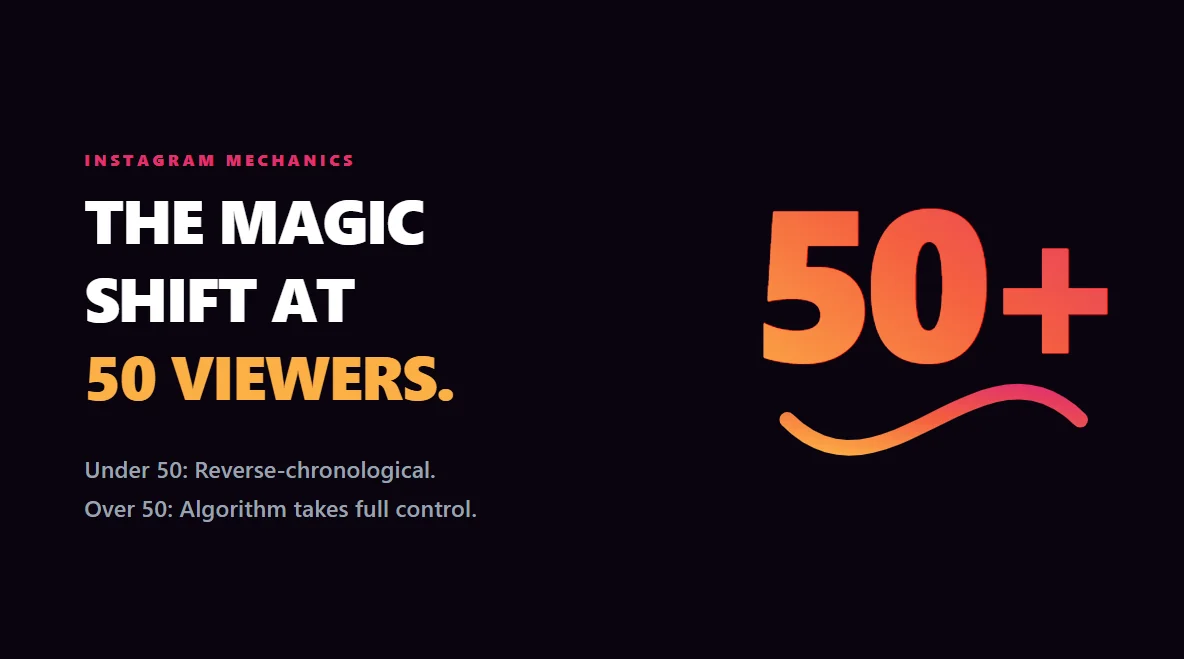
For stories with under 50 viewers, the list is generally reverse-chronological. Once you cross 50 viewers, the algorithm reorders them based on relevance.
People like an ex, a close friend, or a boss appear at the top because Instagram’s algorithm relies heavily on historical interaction data and profile visits.
The Interaction Graph measures DMs, profile searches, likes, and comment history to determine who cares about your content the most.
Artificially boosting your initial story views can trigger the algorithm to distribute your story to a broader segment of your followers.
You post an Instagram Story, tap the viewer list, and there they are again. Your ex. Your boss. That one person you rarely speak to but who somehow always watches your content within five minutes. They are floating right at the top of the list, almost as if Instagram is trying to send you a secret message. At that point, the obvious question hits: is the app exposing who checks your profile the most?
The answer is significantly more complicated—and fascinating—than people want to admit. We have seen users build entire conspiracy theories around the Story viewer list, but the truth is much less cinematic and deeply algorithmic. Instagram does not sort viewers purely to reveal who is obsessed with you. It sorts them based on a complex predictive relevance model known as the Interaction Graph.
The Myth of the "Stalker" List
Let’s debunk the biggest myth immediately: the viewer list is not a lie detector or an emotional truth machine. Instagram’s primary goal as a platform is user retention. To keep you engaged, the algorithm must show you the people you care about most, and the people who care about you.
The system does this by tracking data points you cannot see. It is not just about who tapped your Story first. It is about guessing which accounts matter the most in your digital ecosystem based on weeks, months, or even years of background data.
The Shift: 50 Viewers is the Magic Number
If you have ever noticed the order of your viewers drastically shifting a few hours after posting, you are not crazy. Instagram actually uses two different sorting mechanisms for Stories.
Under 50 Viewers: When your story is fresh, the viewer list is strictly reverse-chronological. The person at the top is simply the most recent person to open your story.
Over 50 Viewers: The moment your view count crosses 50, the chronological timeline is destroyed. Instagram immediately switches to its algorithmic sorting model, pushing the most "relevant" accounts to the very top, regardless of what time they actually watched the video.
The Interaction Graph: How Relevance is Calculated
How does Instagram decide who is "relevant" enough to claim the top spots? It uses a framework called the Interaction Graph. Every action you take on the platform adds weight to the connection between you and another user. The heaviest signals include:
- Direct Messages (DMs): The strongest signal of all. If you message someone frequently, they will almost always top your list.
- Profile Visits: Passive but powerful. If you frequently search for and visit someone’s profile (even if you don't like their photos), the algorithm registers high mutual interest.
- Story Interactions: Replying to their stories, voting on their polls, or sending quick reactions heavily influences the ranking.
- Feed Engagement: Likes, comments, and saves on traditional grid posts.
Why is Your Ex Always at the Top?
This is the most common frustration among users. You haven’t spoken to your ex in three months, yet they sit at the #1 spot on every story you post. Why?
Because algorithm memory is deep. Historical interaction data outweighs current emotional status. If you spent two years DMing someone daily, liking all their posts, and visiting their profile, Instagram built a massive "relevance score" for that relationship. It takes a long period of absolute silence (no profile visits, no DMs) for that score to slowly degrade and for them to fall down the list.
Why is Your Boss or Coworker Near the Top Too?
As for your boss or a coworker? Passive interest matters. If they frequently view your profile without engaging, or if you regularly check their page out of curiosity, the algorithm notes the proximity and pushes them up.
This surprises people because they assume viewer order should reflect emotional closeness only. Instagram is ranking connection value, not romance value. Professional relevance and passive checking create strong data signals too.
Manipulating the Algorithm (The Early Momentum Tactic)
For brands, creators, and marketers, the story viewer list is not about vanity; it is about overall reach. Instagram uses the initial interaction on your story to decide whether to push it to the front of the Story Tray for the rest of your followers.
If your story gets low views and zero replies in the first hour, it is banished to the back of the queue. To break this restriction and force the algorithm to categorize the story as "High Relevance," top-tier creators employ tactical momentum. They strategically buy Instagram Story views from high-quality networks like Fameviso immediately after posting. This massive injection of early traffic sends an overwhelming positive signal to the Interaction Graph. The algorithm reacts by thrusting the story to the #1 slot on the home screens of their real, organic followers, guaranteeing maximum visibility.

The Golden Rule of Story Viewers
Stop overreading the viewer list. It is a mathematical output, not a psychological confession. A person at the top of your list might be secretly in love with you, or they might just be someone whose profile you clicked on twice last week because they bought a nice jacket.
If you want to use Instagram effectively, treat the viewer list as an engagement tracker rather than a digital crystal ball. Focus on generating real conversations, utilizing interactive stickers, and creating content that people genuinely want to engage with.